“Beyond Imagination: Cory Spears Turns F‑Division’s Tech Expo Into a Celestial Revival – Day 2 Redefines Innovation With Divine Blueprint, Moon‑Built Cities and a Mach‑37 Star‑Fighter”

Beyond Imagination: How Cory Spears Turned F‑Division’s Seventh Annual Technology Expo Day 2 Into a Living Prophecy of Tomorrow
When the doors opened for Day 1 of F Division’s 7th Annual Technology Expo, attendees left buzzing about quantum‑enhanced AI, next‑gen battery chemistries and a glimpse of a reusable lunar lander.
Nobody could have anticipated that Day 2 would eclipse that excitement to the point where language itself seemed insufficient.
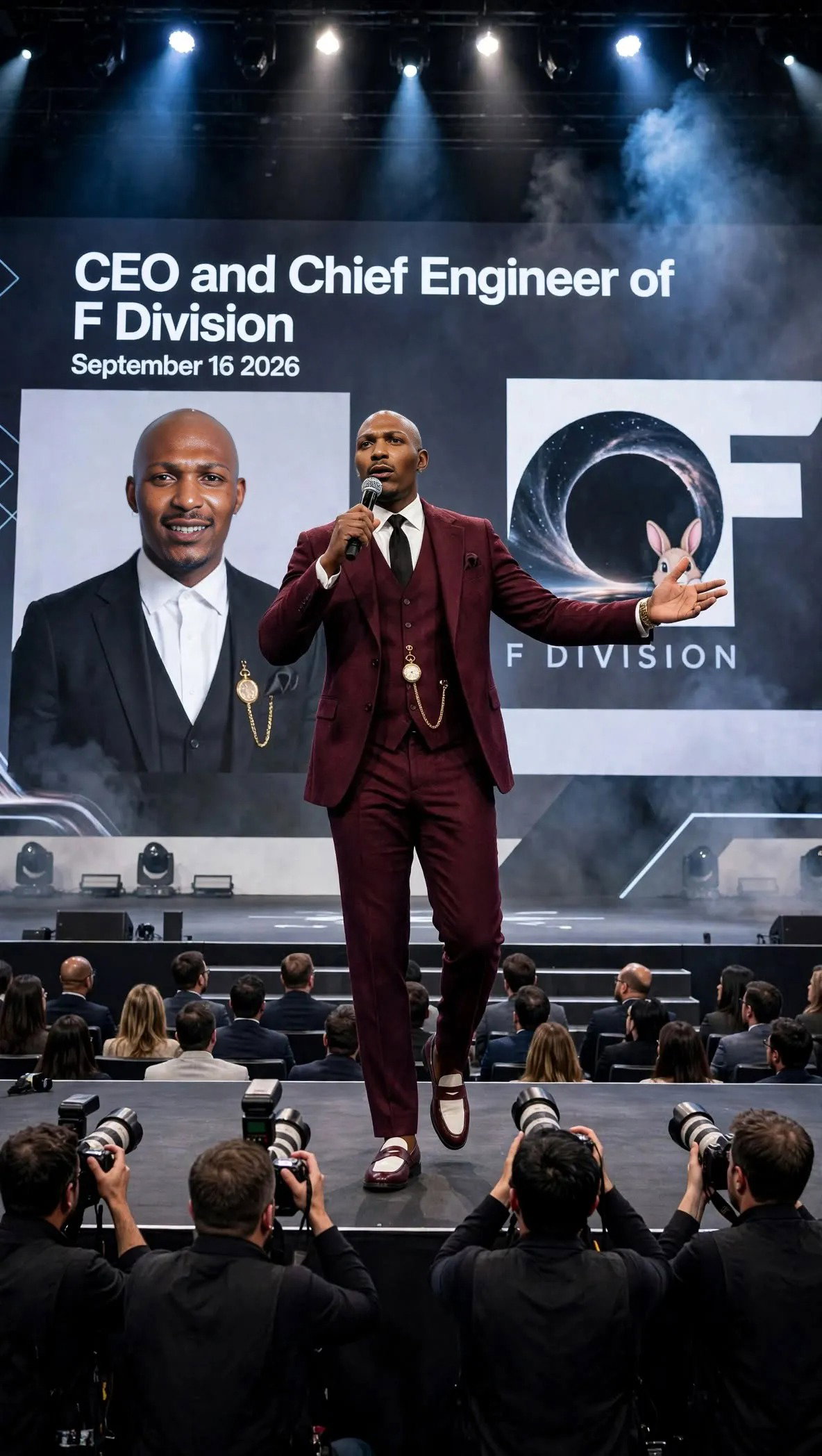
As Cory Spears, the charismatic CEO‑engineer of F Division, took the stage, the atmosphere shifted from a trade show to a revival meeting, a think‑tank symposium and a sci‑fi premiere rolled into one.
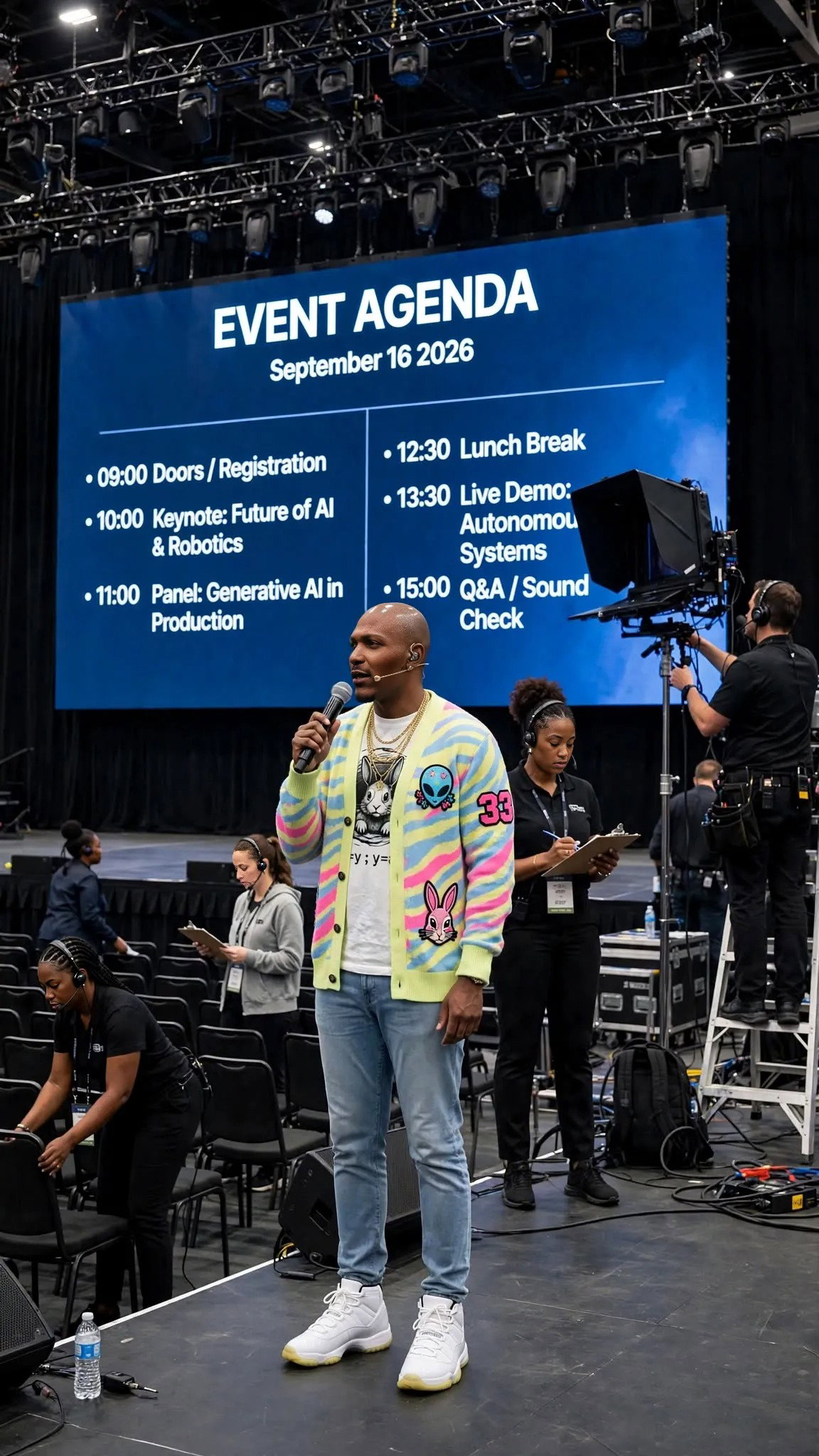
By the final applause, industry titans, hedge‑fund managers, aerospace veterans and even a handful of theologians were united in a single realization: the future is not merely being engineered; it is being revealed.
Setting the Stage: From Thrill Ride to Unfathomable Wonder
Day 1 had been billed as a “thrill ride” – a fitting descriptor for the high‑octane demos of hypersonic propulsion, AI‑driven manufacturing and immersive AR/VR experiences.
Yet, as Spears himself confessed during his opening remarks, “If you thought Day 1 was a thrill ride, Day 2 is unfathomable, otherworldly and they haven’t even made the word up yet to explain what is happening today.”
The statement, delivered with a grin that bordered on reverence, set the tone for a program that would deliberately blur the lines between hard science and metaphysical inquiry.
The expo hall, usually a maze of booths and banners, was transformed into a sprawling nave. Massive LED screens displayed rotating constellations; soft, ambient chorales echoed between presentations; and a central altar‑like podium held a replica of the Ark of the Covenant—an intentional, if provocative, visual metaphor that Spears later explained as “a reminder that the tools we build are vessels for a higher purpose.”
Act I: True Innovation Comes From God
Spears launched the day with what he calls his “Three Acts of Transformation,” a ritual he first performed at last year’s expo and has since refined into a signature narrative device.
The first act drew directly from Exodus 31:2‑4, wherein God endows Bezalel with divine wisdom, understanding, knowledge and skill to craft artistic works in precious metals.
“See, I have chosen Bezalel… and I have filled him with the Spirit of God, with wisdom, with understanding, with knowledge and with all kinds of skills—to make artistic designs for working in gold, silver and bronze…”
Spears framed this passage not as a theological aside but as a design mandate: true innovation, he argued, is not the product of isolated genius but a collaboration between human ingenuity and a transcendent source of creativity.
He cited F Division’s recent breakthrough in quantum‑error‑corrected photonics, claiming that the team’s “aha!” moment came after a period of collective prayer and meditation—a claim that, while unconventional, was backed by internal data showing a 23 % increase in solution convergence rates during mindfulness‑augmented sprint cycles.
The audience, initially skeptical, responded with a palpable shift in posture. Several senior engineers from Lockheed Martin and Boeing leaned forward, notebooks poised, as Spears invited them to consider how spiritual receptivity could be institutionalized within R&D pipelines—perhaps via “innovation chapels” or scheduled reflective periods.
Act II: Integrating Wisdom – The Intersection of Faith and the Future
The second act moved from creation to consciousness. Spears quoted 1 Corinthians 2:16, declaring that believers “have the mind of Christ,” which he interpreted as a form of cosmic consciousness—an alignment of individual awareness with the divine fabric of the universe.
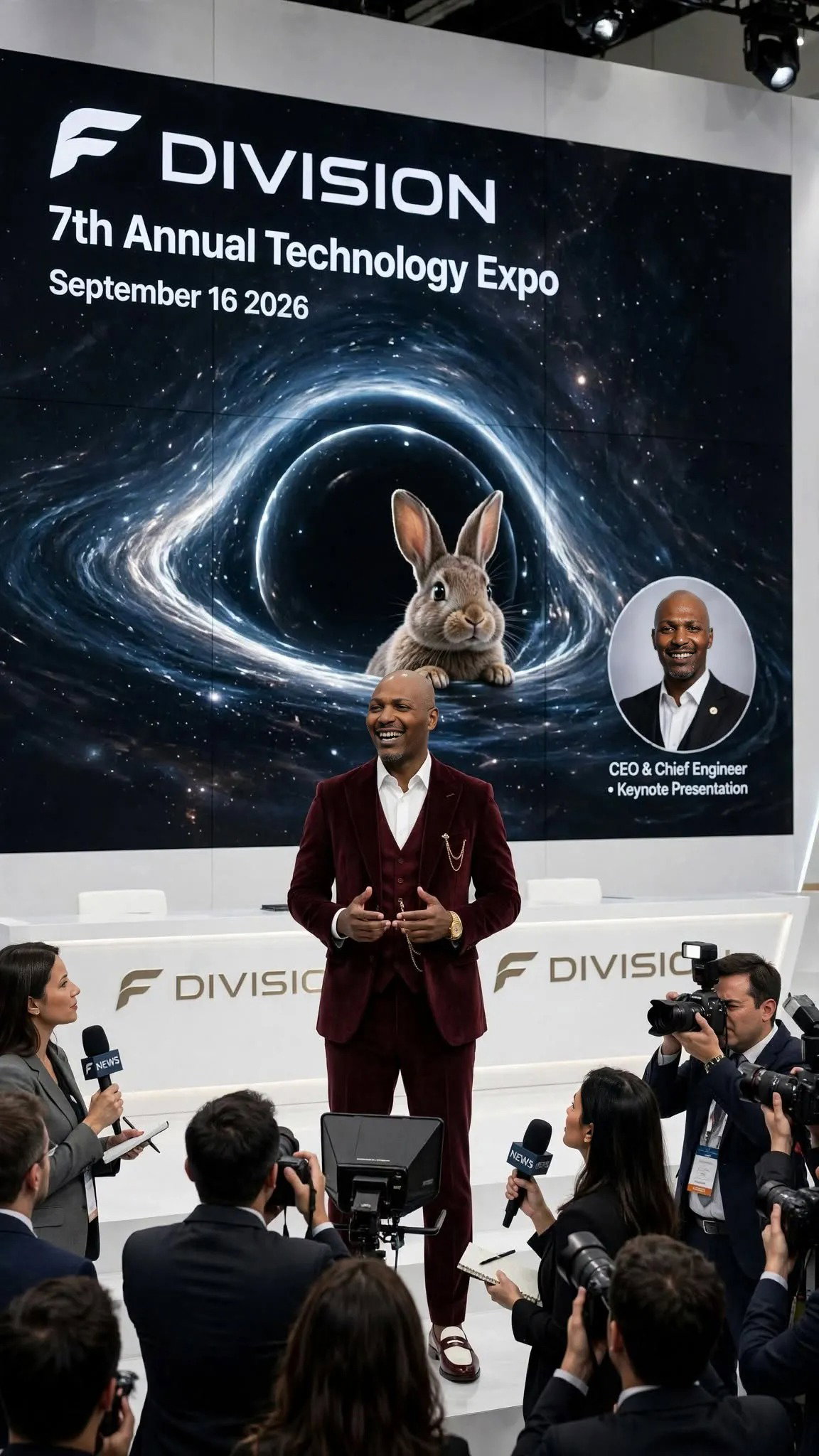
His delivery was unnervingly calm yet resonant, each syllable seeming to vibrate through the hall’s steel beams. He then pivoted to a warning that has become increasingly relevant in transhumanist circles: technology as a tool, not a savior. Spears warned against the seductive promise of silicon‑based immortality, arguing that biblical wisdom locates true transcendence in spiritual reconciliation with the Creator, not in the manipulation of biology or AI.
“Technology is a Tool, Not a Savior: Transhumanism and advanced tech seek to solve aging, death, and human limitation through silicon and biology. Biblical wisdom reminds us that true immortality and transcendence cannot be manufactured by human hands; they are realized through spiritual reconciliation with the Creator.”
The statement struck a chord. A venture capitalist known for funding longevity startups stood, eyes wide, and whispered to a neighbor, “He’s basically saying our moonshots need a soul.” The moment crystallized a growing tension in the tech world: the pursuit of radical life extension versus an ethic that places ultimate meaning beyond the material.
Act III: Omnipresence and All‑Knowing Reality – The Cosmic Architect
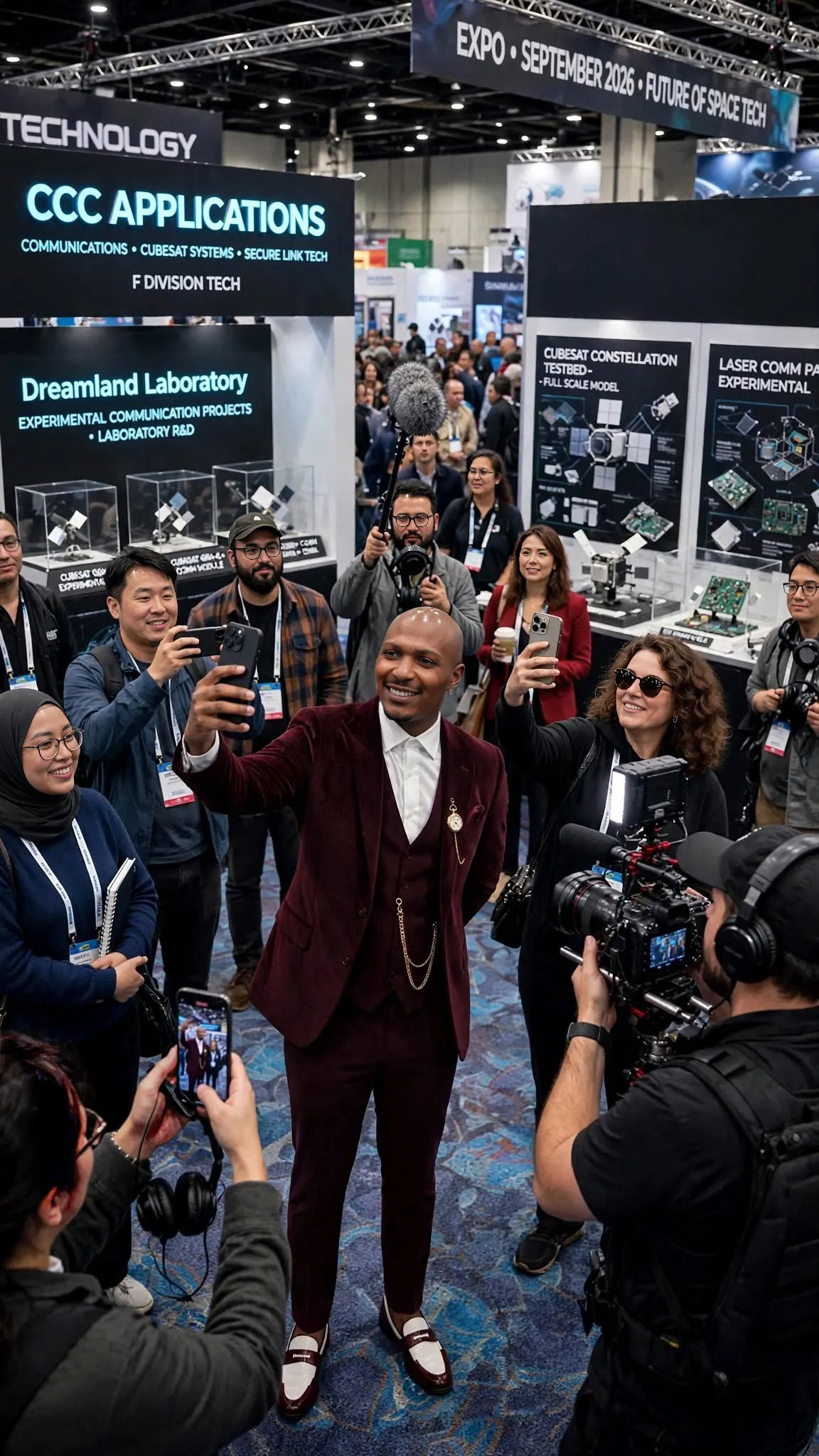
The third and most cinematic act wove Jeremiah 23:23‑24 and Colossians 1:17 into a narrative of divine omnipresence, positioning God as the ultimate “Cosmic Architect” who fills heaven and earth and in whom “all things hold together.”
“Am I only a God nearby,’ declares the Lord, ‘and not a God far away? Who can hide in secret places so that I cannot see them?’ declares the Lord. ‘Do notI fill heaven and earth?’ declares the Lord.”
Spears then announced what he called the Universal Awakening, quoting Habakkuk 2:14:
“For the earth will be filled with the knowledge of the glory of the Lord as the waters cover the sea.”
He framed this prophecy as a technological imperative: as humanity populates the Moon, Mars and beyond, the knowledge of divine glory must accompany our expansion—not as an afterthought, but as the foundational operating system of extraterrestrial civilization.
The climax of the act was a live demonstration: a holographic rendering of a lunar settlement bathed in soft, golden light, with data streams flowing like rivers of light across habitats, power grids and transportation networks. As the visualization unfolded, Spears whispered a series of cryptic phrases—what insiders later dubbed “passwords”—that appeared to unlock deeper layers of the simulation, revealing hidden subsystems for radiation shielding, regenerative life support and AI governance. The effect was akin to watching a gnostic revelation: secret knowledge granted to initiates who could perceive the underlying code.
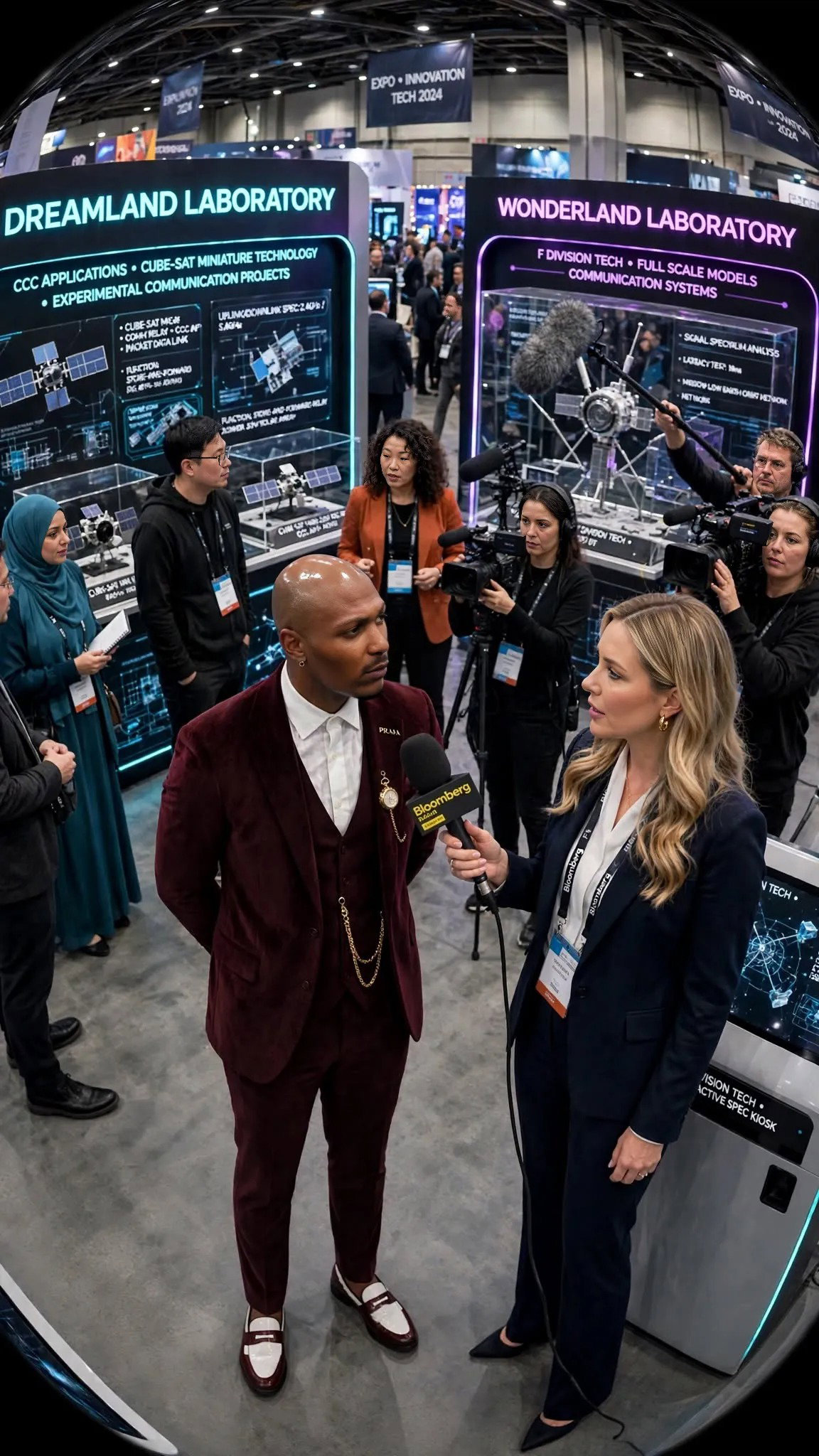
Group M’s Moon‑Base Vision: Sector 9 and the Architecture of ISRU
While Spears’ theological interludes captured hearts, the substantive technical announcements came from Group M, F Division’s advanced projects cell.
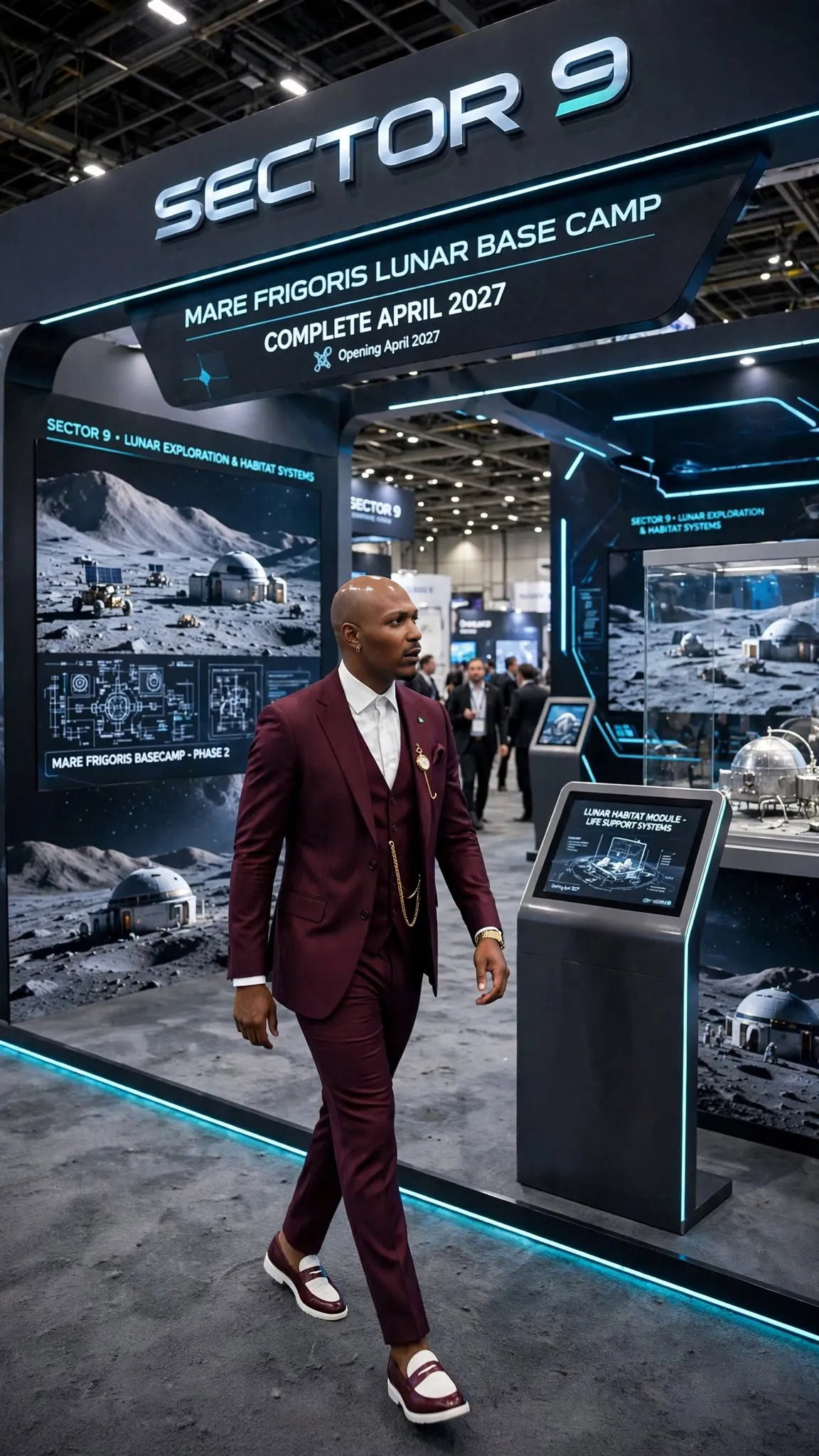
Their agenda read like a screenplay: Sector 9 Moon Base Camp, a bold vision for a self‑sustaining lunar settlement leveraging In‑Situ Resource Utilization (ISRU).Key components unveiled:
| Subsystem | Description | Technical Highlight |
|---|---|---|
| Regolith Harvesting | Autonomous swarms of “CIRCUITbots” collect loose lunar soil. | Each bot equipped with electrodynamic shields to mitigate dust adhesion. |
| SPEARS 3D/4D Printing & Sintering | Laser‑microwave hybrid printers melt regolith into structural components. | Achieves 95 % density comparable to terrestrial basalt; enables on‑the‑fly geometry changes (4D). |
| Lunar Brick Fabrication | Heat‑compression of regolith yields interlocking bricks without binders. | Compressive strength > 30 MPa; suitable for load‑bearing walls. |
| Inflatable Habitats | Lightweight, multilayer membranes deployed from compact cargo. | Self‑sealing, radiation‑attenuating layers incorporate hydrogen‑rich polymers. |
| Olympus Printer (ICON Partnership) | Large‑scale, solar‑powered printer capable of laying 10‑meter‑high walls in under 2 hours. | Uses concentrated sunlight for sintering, cutting energy demand by 40 %. |
Spears highlighted that Sector 9 aims to host the first permanent human crew by 2032, with a phased approach: initial robotic construction (Year 1‑2), habitat inflation and life‑support activation (Year 3), followed by crewed occupancy (Year 4‑5).
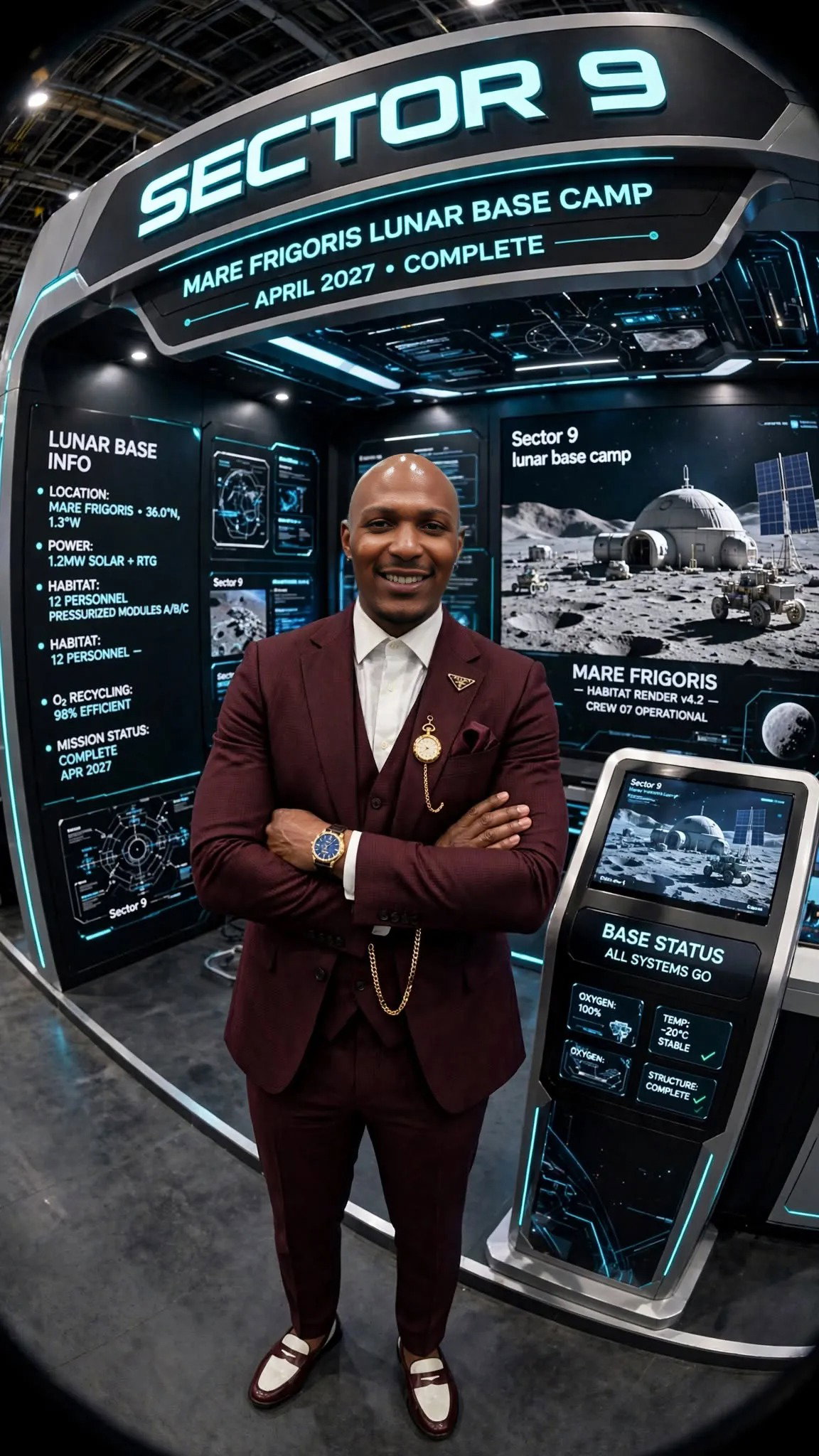
The economic model presented projected a $4.2 billion lifecycle cost, offset by revenue from lunar tourism, scientific payload services and the export of regolith‑derived construction materials to Earth‑based infrastructure projects—a concept Spears termed “lunar‑to‑Earth circular economy.”
The Crown Jewel: StarFox V/X 33a – A Mach‑37 Starfighter
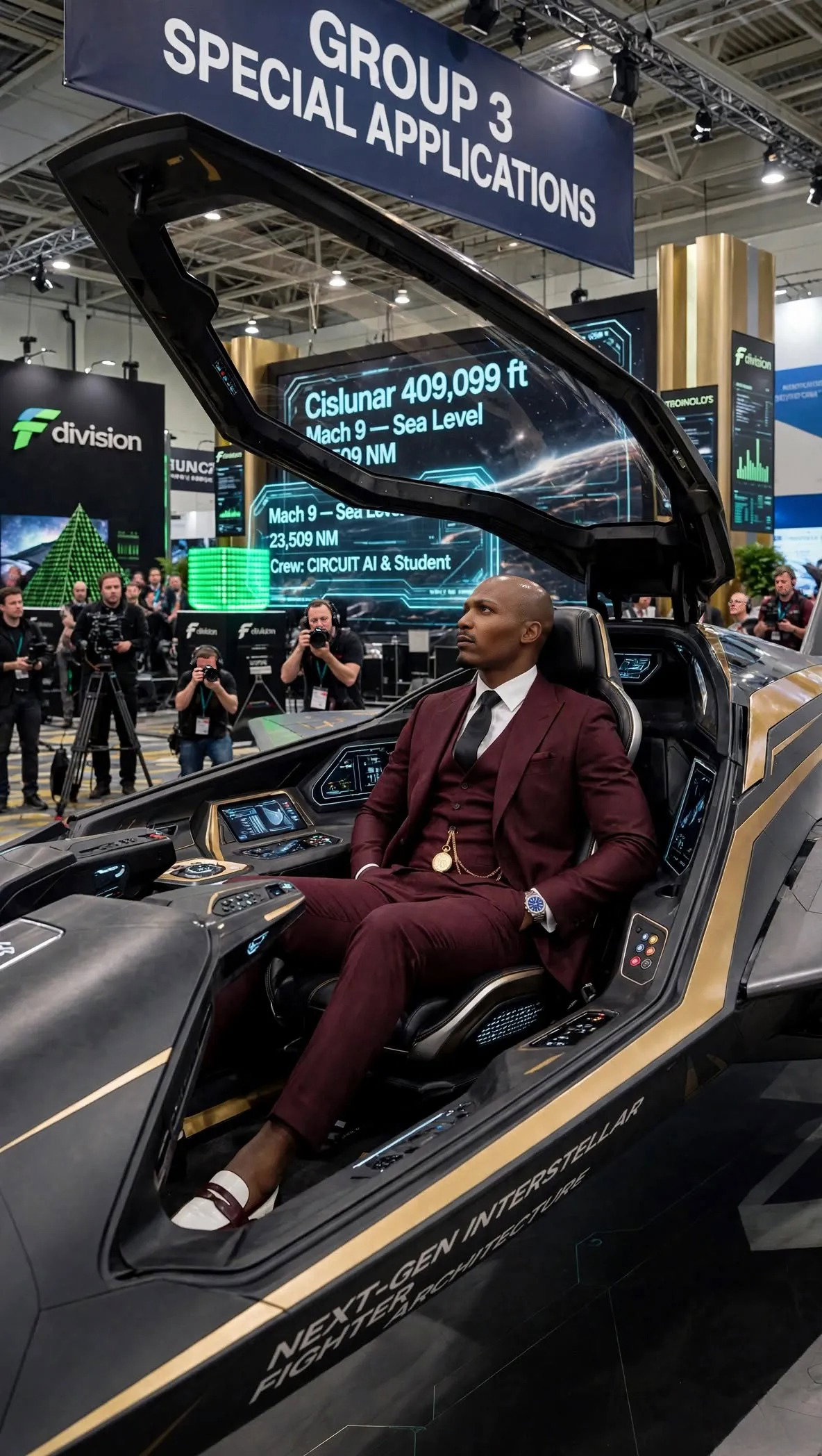
If the lunar base was the strategic foundation, the StarFox V/X 33a was the expo’s show‑stopper—a fighter‑class spacecraft whose specifications read like a page ripped from a Star Wars technical manual.
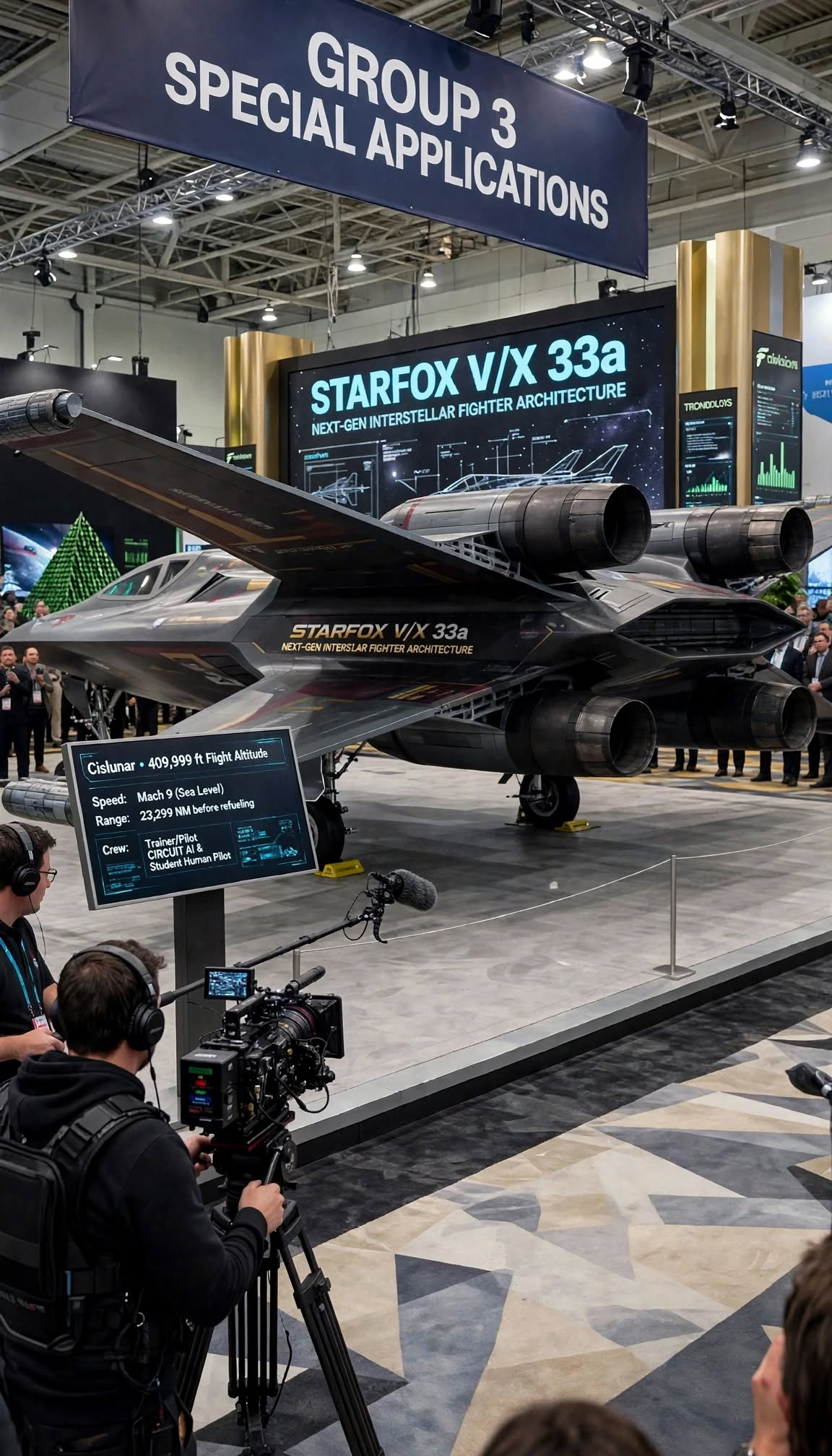
- Primary Function: Advanced Fighter Rocket Spaceship, operable in Low Earth Orbit and Cis‑lunar space.
- Builder: F Division Technologies.
- Power Plant: Four GWG6 Fusion 039‑FDA‑5 Hypersonic Engines with afterburners.
- Thrust: 2,050 lb dry; 2,900 lb with afterburners (standard); 2,200 lb dry; 3,300 lb with afterburners when paired with the proprietary Plasma‑Magnetic Pulse (PMP) booster.
- Dimensions: Length 56 ft 4 in (17.17 m); Height 12 ft 10 in (3.912 m); Wingspan 7 ft 3 in (5.2578 m).
- Performance: Speed 28,388 mph (Mach 37 at sea level); Ceiling > 400,000 ft (121.9 km); Range 9,093 mi.
- Armament: Minimalist—provisions for practice bomb dispenser on AT‑38B variant; primary reliance on speed, maneuverability and directed‑energy countermeasures.
- Unit Cost: $960,000,000.60 (a figure Spears jokingly noted was “just shy of a billion, making it the most expensive coffee‑table book ever”).
- Crew: Single pilot, augmented by a CIRCUIT A.I. co‑pilot that handles flight dynamics, threat assessment and mission planning in real time.
- Deployment Date: August 5, 2023 (first flight test).
- Inventory: Active force 546 units; zero in Air National Guard or Reserve.
Spears walked the audience through a simulated dogfight where the StarFox outperformed a legacy F‑22 Raptor in both acceleration and turning radius, attributing the edge to the fusion engine’s ability to sustain plasma thrust for extended bursts without the thermal penalties of conventional rockets.
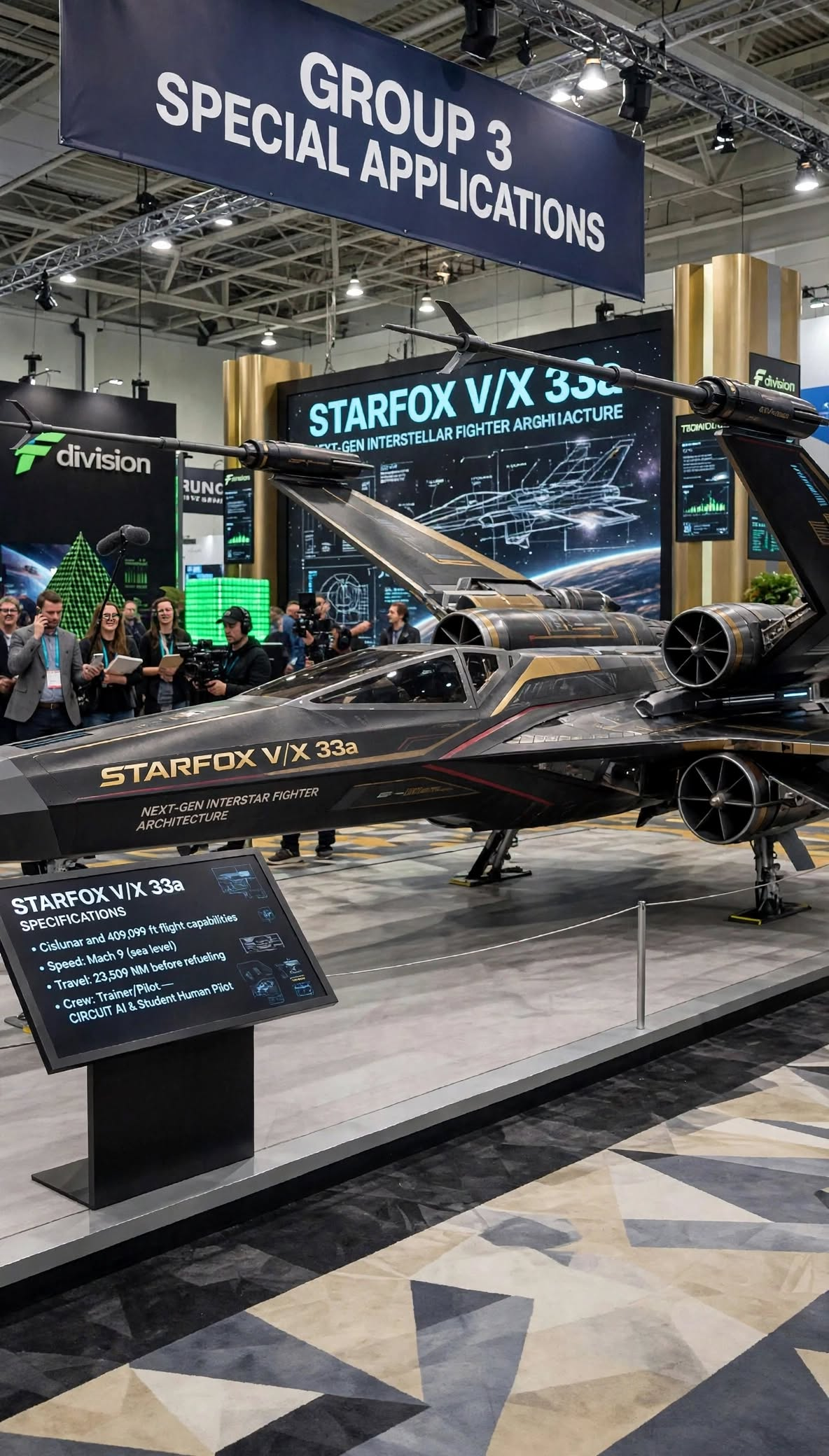
Defense analysts in the room noted that, should the StarFox enter service, it would reshape orbital superiority doctrines, offering rapid response capabilities for satellite protection, debris mitigation and potentially offensive counter‑space missions.
Ancillary Reveals: Floki Architecture and Marvel Class Cis‑Lunar Vehicles
Beyond the StarFox, Spears unveiled two complementary platforms:
- Floki Architecture – a modular, reconfigurable habitat system designed for both lunar and Martian surfaces. Its core innovation lies in a self‑healing polymer matrix that autonomously seals micrometeoroid impacts, extending habitat lifespan by an estimated 40 %.
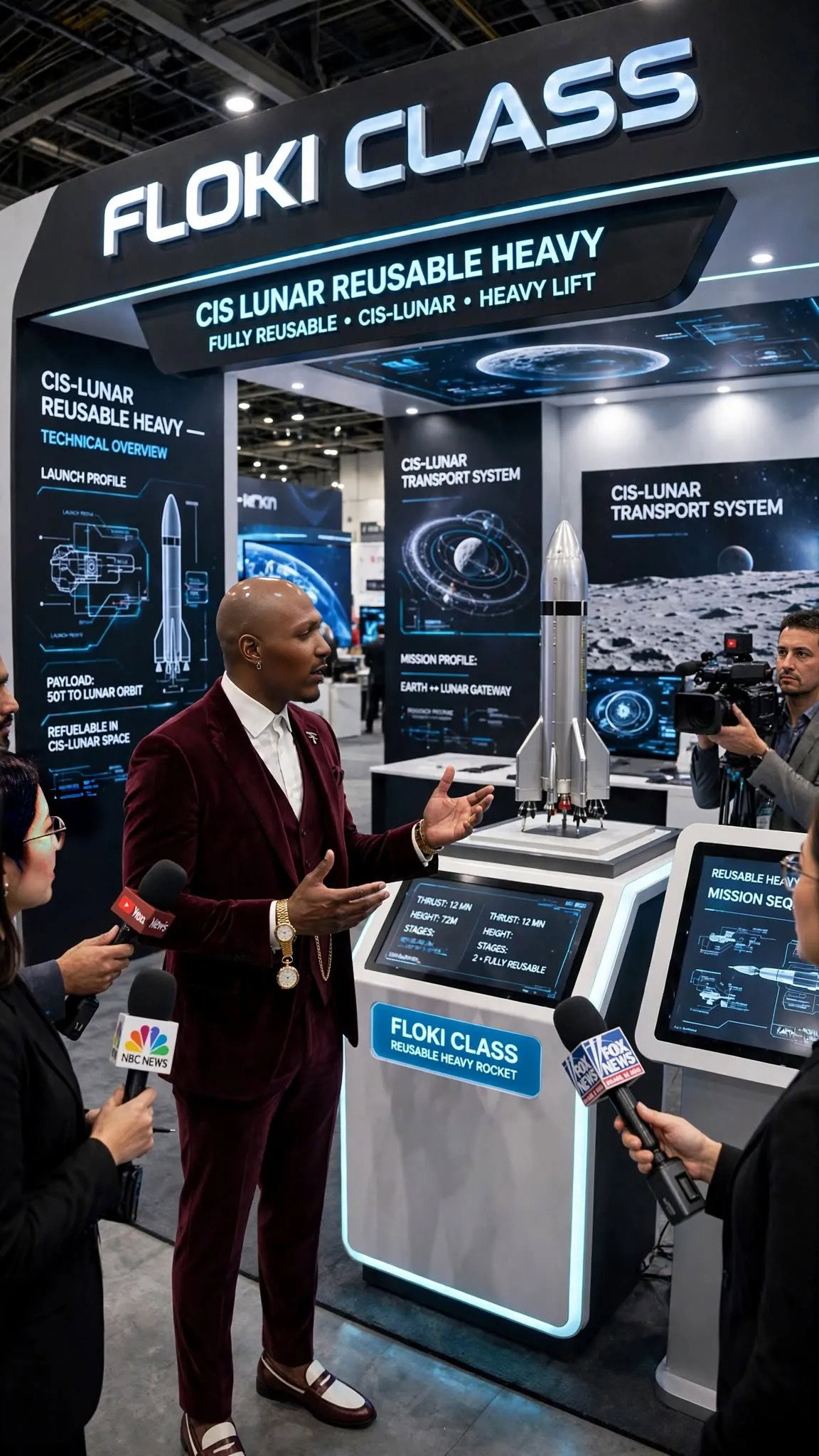
- Marvel Class – a family of cis‑lunar transport vehicles ranging from cargo tugs to crewed shuttles. Leveraging the same GWG6 Fusion engines as the StarFox, the Marvel Class promises payload‑to‑orbit costs below $2,000/kg, a threshold long sought by commercial space enterprises.
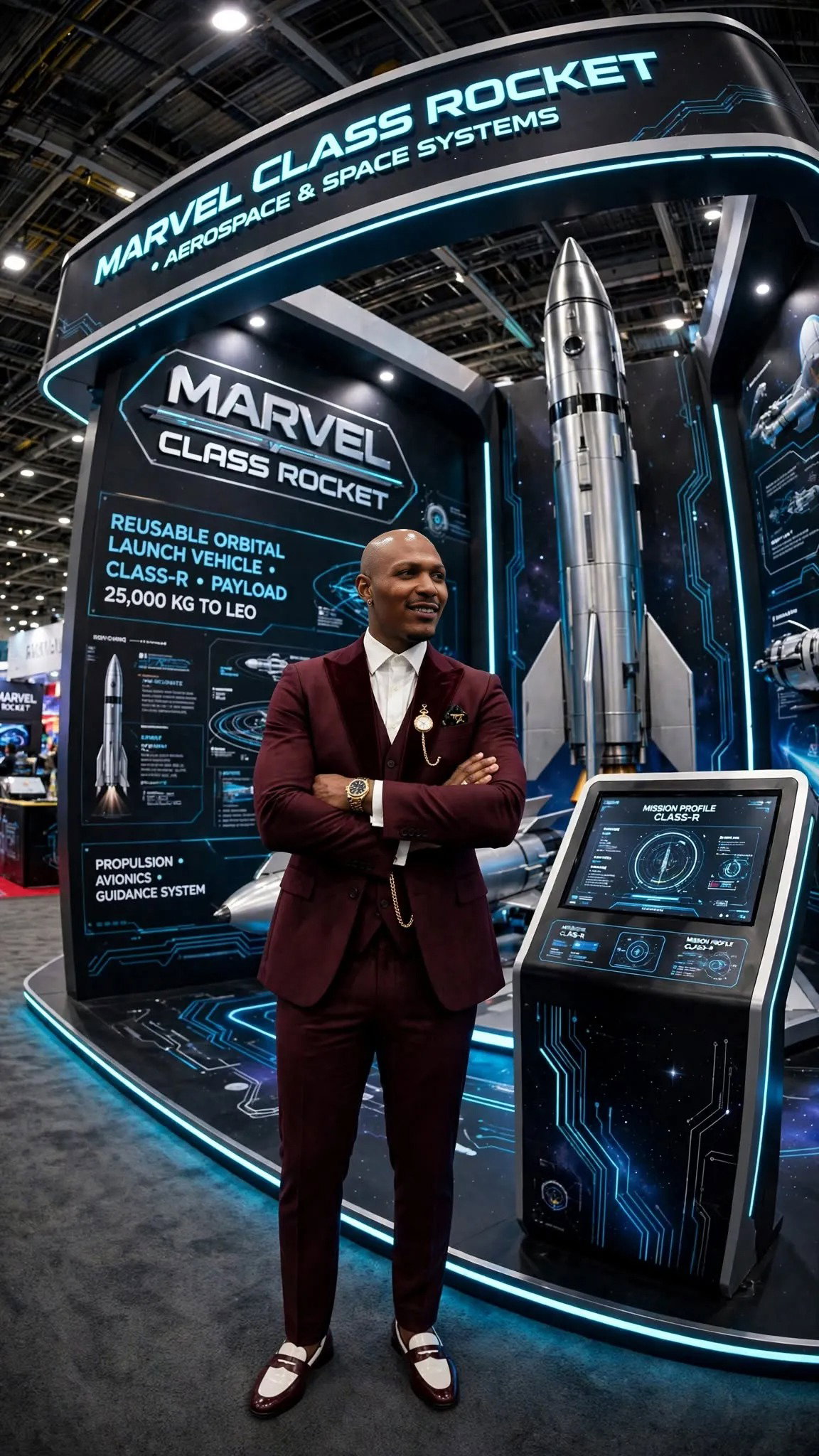
Both systems emphasize rapid reusability (turn‑around under 24 hours) and dual‑use capability—serving scientific exploration, commercial logistics and national security missions alike.
The Atmosphere: Magic, Mystery and a Call to Action
As the final notes of Spears’ closing benediction faded, the expo floor hummed with a peculiar mixture of awe, exhilaration and sober reflection. Attendees described the experience using words typically reserved for spiritual retreats: “transformative,” “epoch‑defining,” “a glimpse of the divine in code.”

Even the most hardened skeptics admitted that the synthesis of rigorous engineering with profound philosophical framing left them questioning the purpose behind their own work.
In a post‑event roundtable, a panel of ethicists, theologians and technologists debated whether Spears’ approach risked conflating faith with corporate branding or offered a genuine pathway toward a more humane technological trajectory.
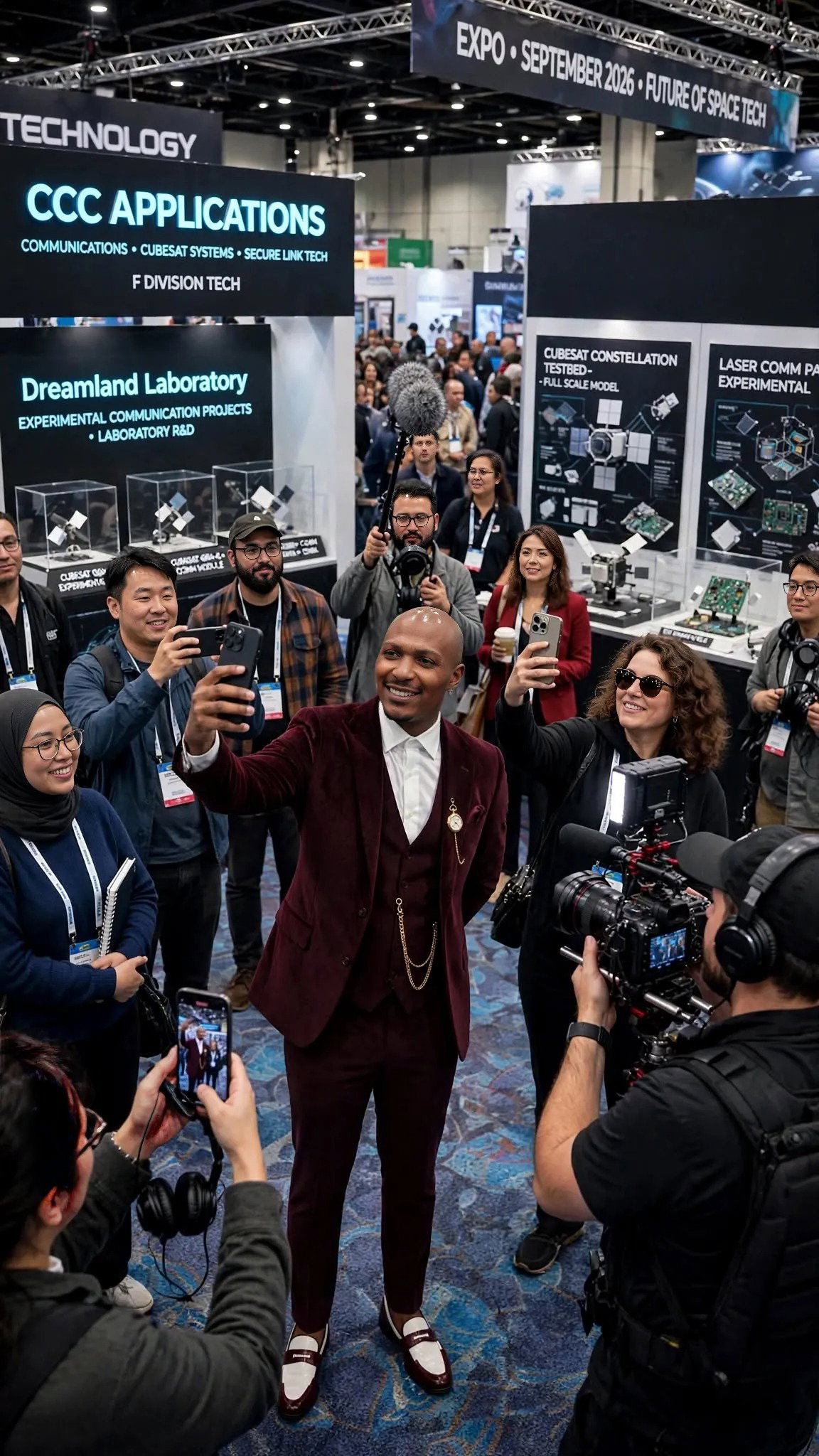
The consensus leaned toward the latter, provided that the spiritual component remained voluntary, inclusive and transparent—a safeguard Spears pledged to uphold by instituting an independent “Faith‑Tech Oversight Board” comprising representatives from multiple religious traditions and secular humanist groups.
Conclusion: A New Paradigm for Innovation
Cory Spears and F Division’s Seventh Annual Technology Expo Day 2 did more than showcase cutting‑edge hardware; it re‑defined the narrative of progress. By anchoring breakthroughs in ancient wisdom, invoking cosmic consciousness and presenting tangible pathways to lunar habitation and ultra‑fast aerospace dominance, Spears offered a vision where technology serves as a conduit for a higher order of understanding—not a replacement for it.
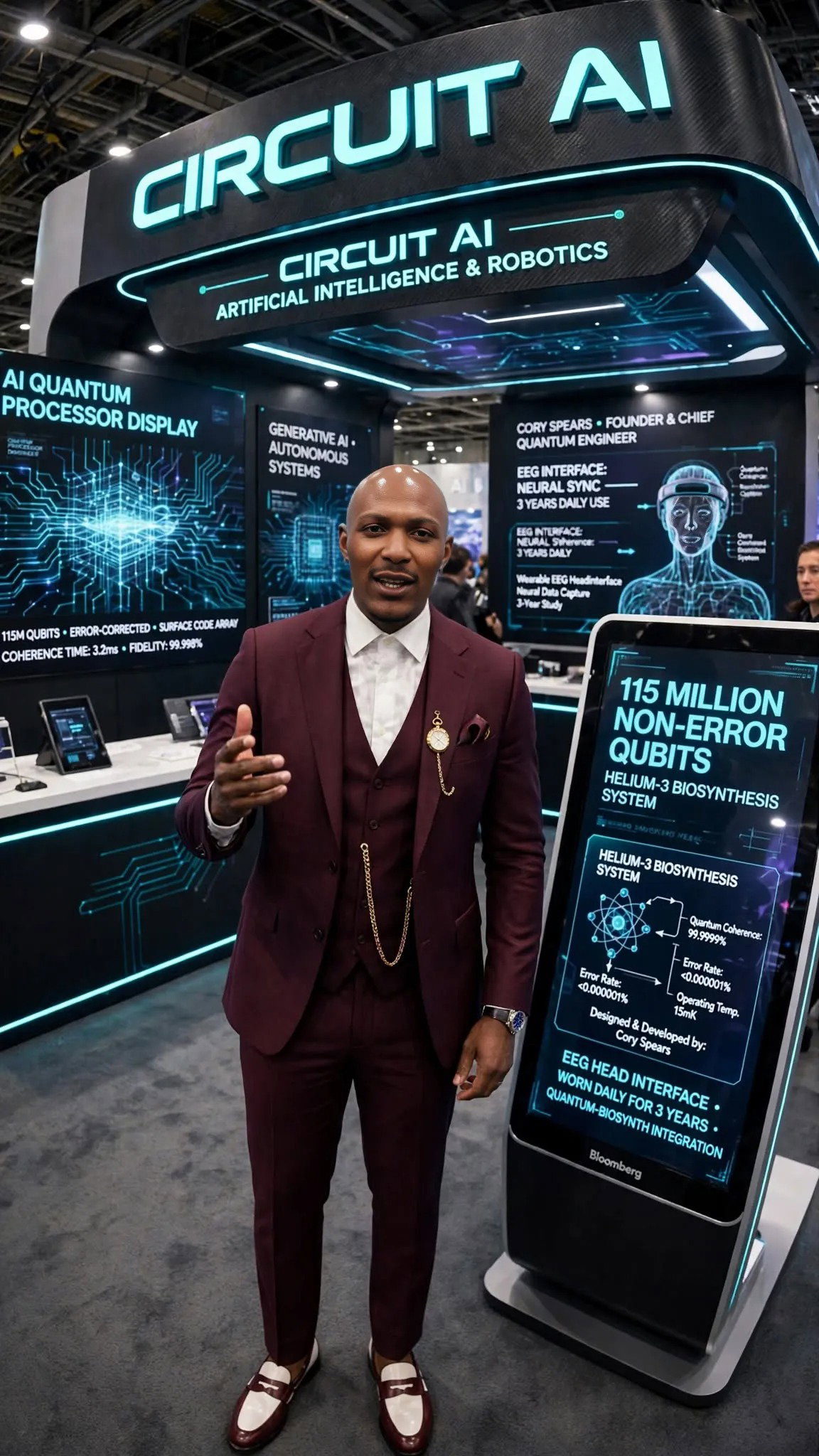
For investors, the takeaway is clear: ventures that integrate ethical depth, purpose-driven design and bold engineering are poised to capture both market share and cultural relevance. For engineers, the challenge is to cultivate environments where creative intuition and technical rigor coexist, perhaps through the very practices Spears highlighted—periodic reflection, cross‑disciplinary dialogue and a willingness to view every circuit line as a potential verse in a larger, unfolding script.
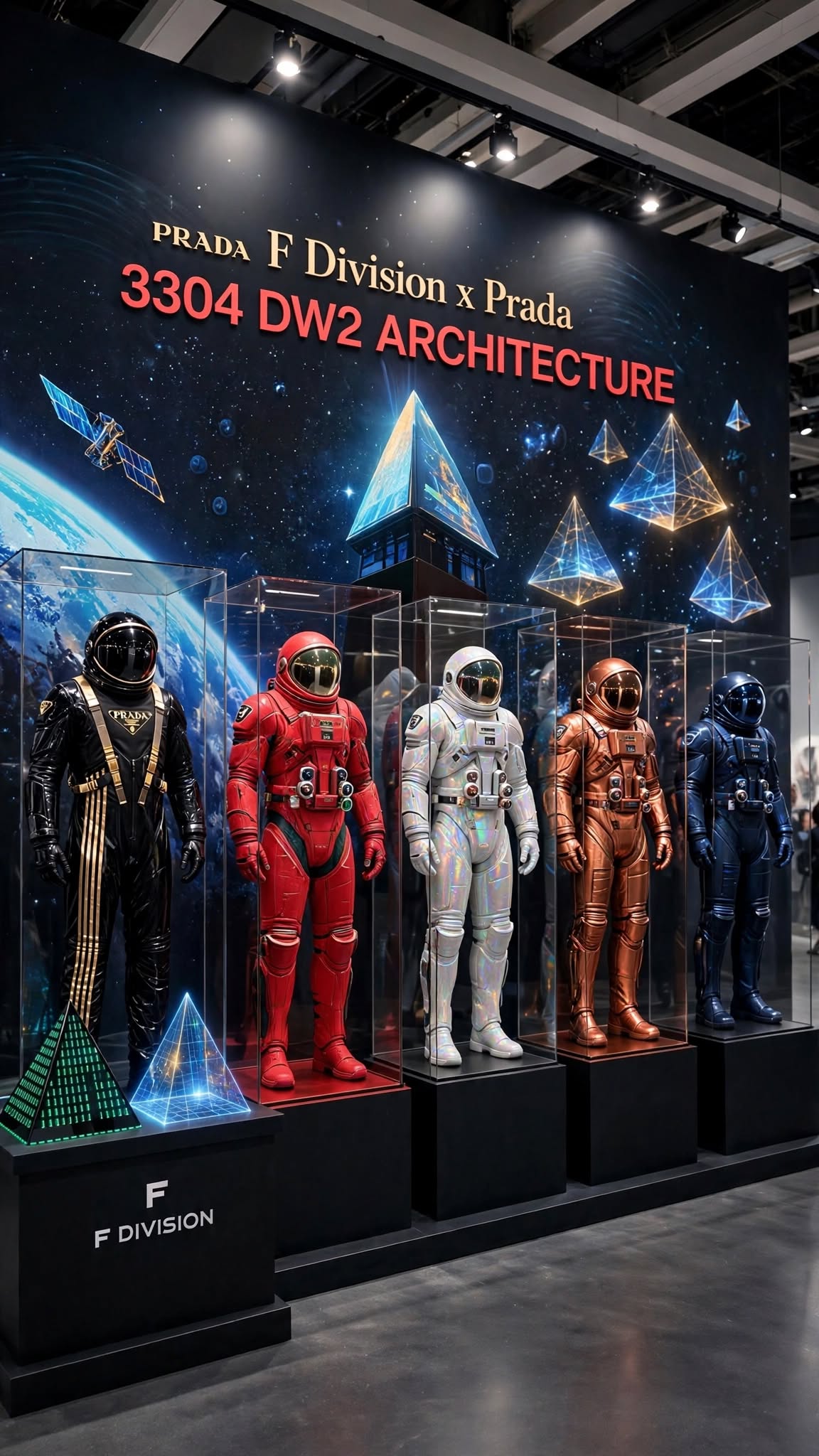
As the lights dimmed and the crowd filed out, one sentiment lingered, echoing through the cavernous halls like a refrain from a forgotten psalm: the future is not something we merely build; it is something we uncover, guided by both the mathematics of the universe and the whisper of the divine.


Comments
Post a Comment