“From Gypsy‑Vanner Whispers to Cosmic Hammers: Inside the Reclusive Genius Who’s Quietly Redefining the Fabric of Reality”
The exclusive Thursday‑morning interview with Cory Spears—father, chef, horse‑whisperer, and the mind behind the world‑shaking F Division—reveals why the man everyone calls a “mad scientist” is, at his core, just a dad who loves Aretha Franklin and a kid who thinks the best math is made on a kitchen counter.
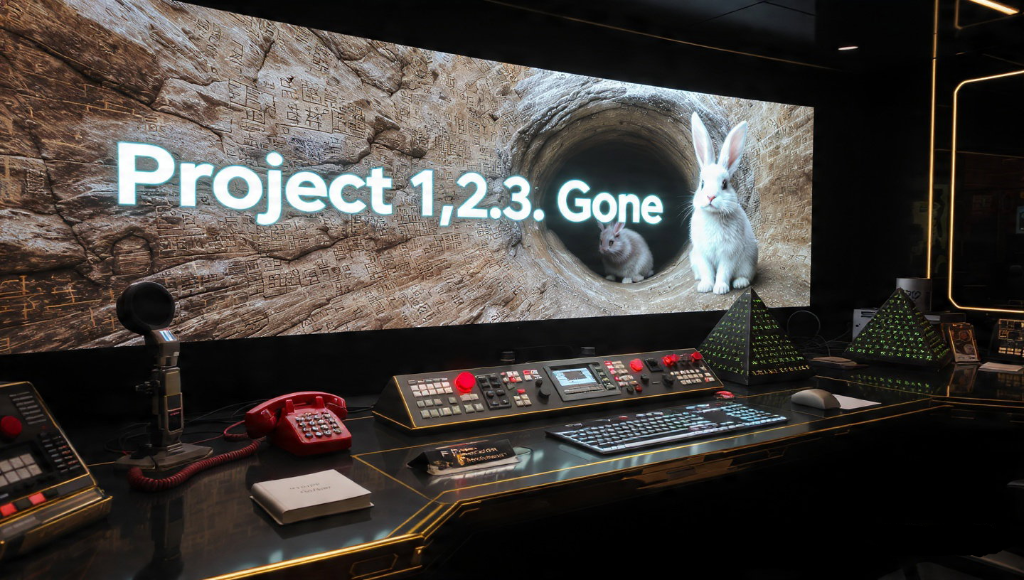
A Morning Like No Other
At 6:30 a.m. on an amber‑lit Thursday in early November, a small crew from the Deep‑Field docuseries slipped past a chain‑link fence that hid a 120‑acre valley, its fog‑shrouded hills punctuated by the low thrum of a handful of wind‑tuned turbines.
The destination: a remote, solar‑powered compound that most of the world knows only as “Cory Spears’ sanctuary.”

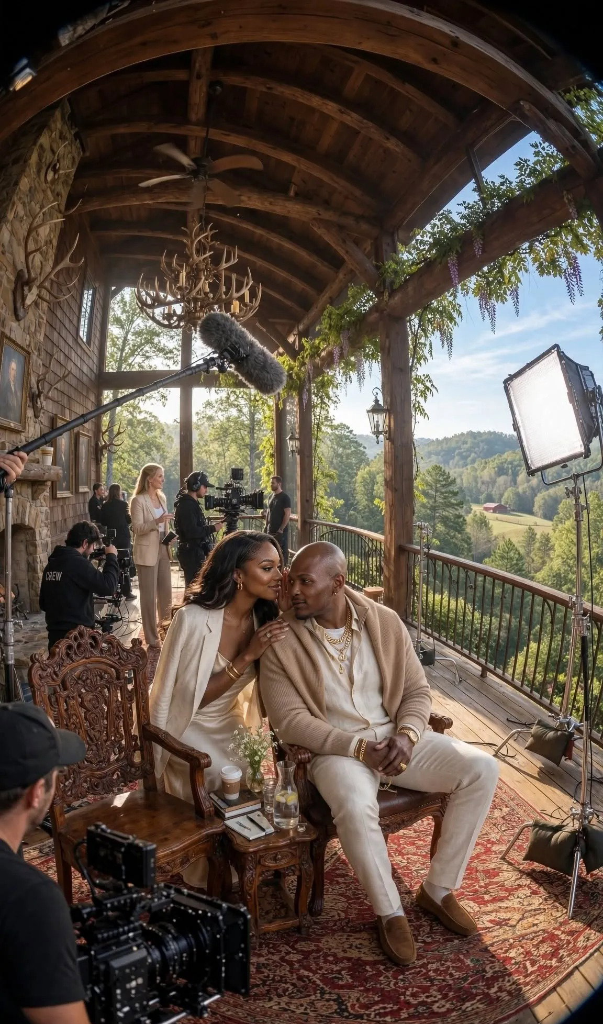
Instead of the clinical, sterile lab the tabloids have imagined, the crew was greeted by the smell of sizzling bacon and the soulful crescendos of Aretha Franklin’s “Respect” spilling from an antique stereo.
The “mad scientist” of popular myth was in a bathrobe, flipping pancakes, and coaxing his five‑year‑old daughter, Sky6000 as he calls her, into her school uniform. The scene was intimate, ordinary, and overwhelmingly human.
“His charisma is magnetic,” says Joanie Dunote, Deep‑Field’s lead investigative reporter, who has spent the past year chasing whispers about F Division’s “spatial‑collapsing” engine.
“When you meet Cory at his kitchen table, you think you’ve stumbled onto a hidden chapter of ‘Little House on the Prairie.’ Yet the same hands that pour syrup over pancakes are sketching equations that could rewrite the physics of propulsion.”
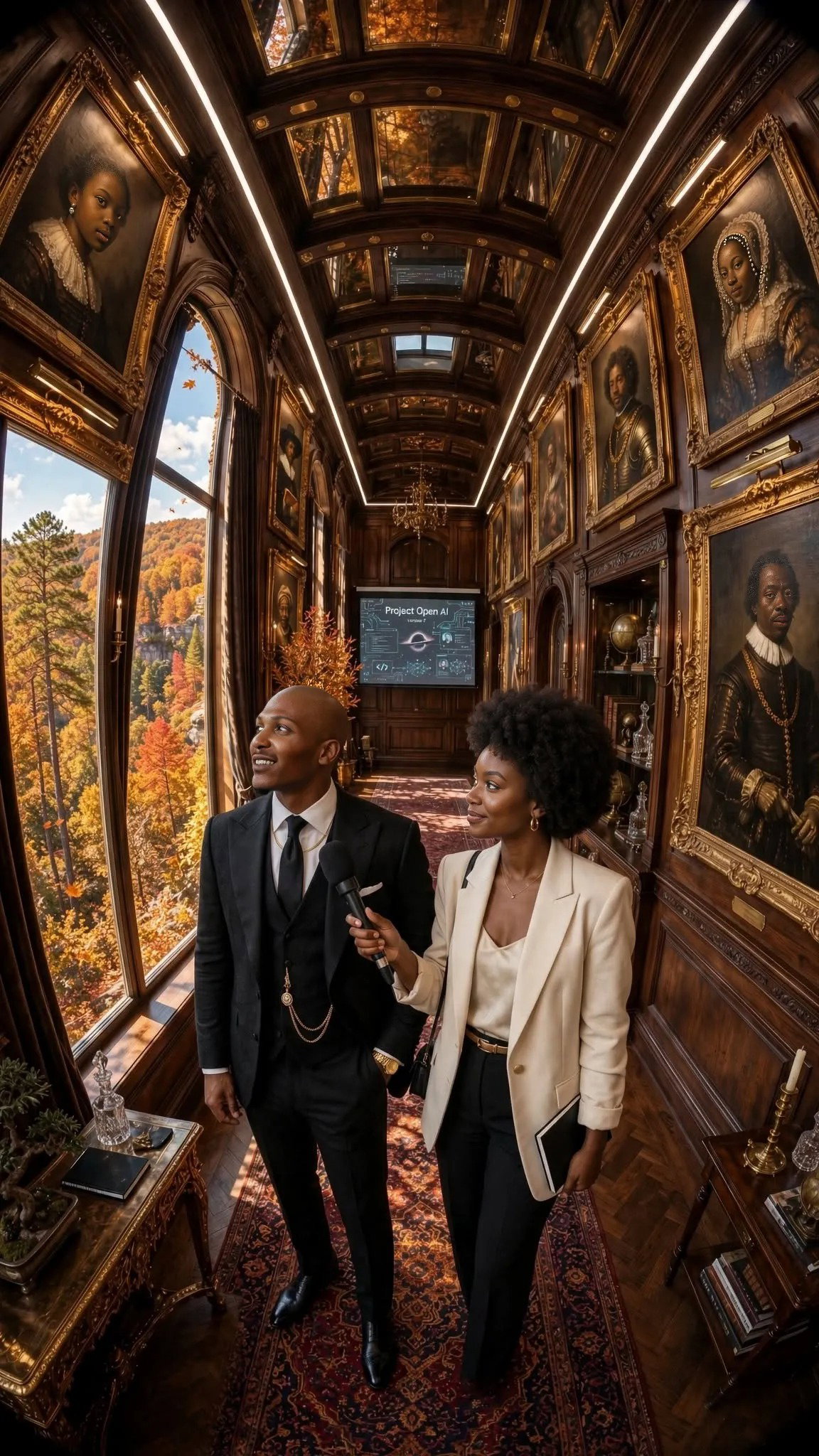
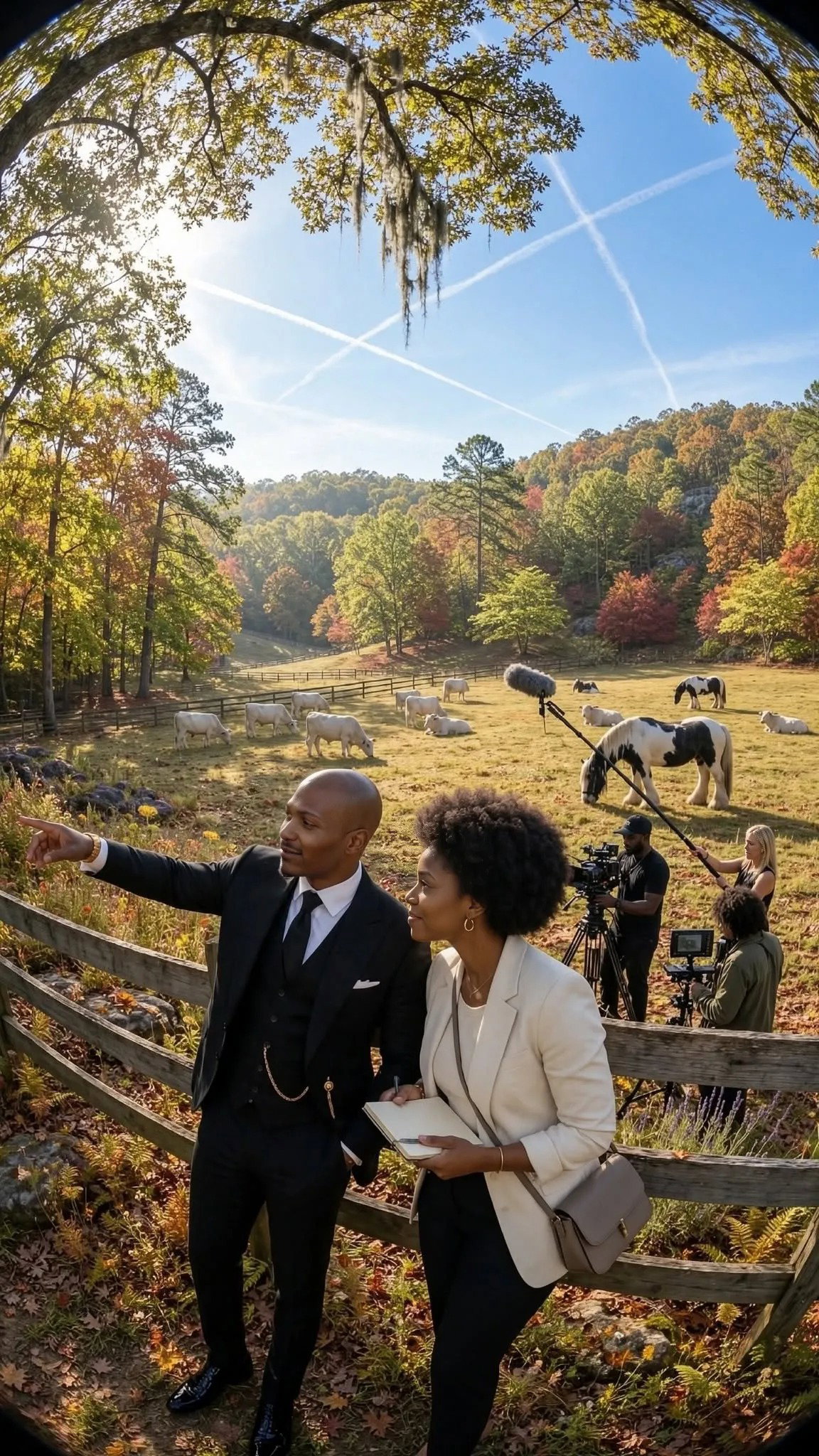
The next hour unfolded as a “walk‑and‑talk” through a meticulously tended pasture, home to four gypsy‑vanner horses, each bearing a name as lyrical as the man who cares for them: Paco, Cel, Nine, and the whimsically titled Horse With No Name.
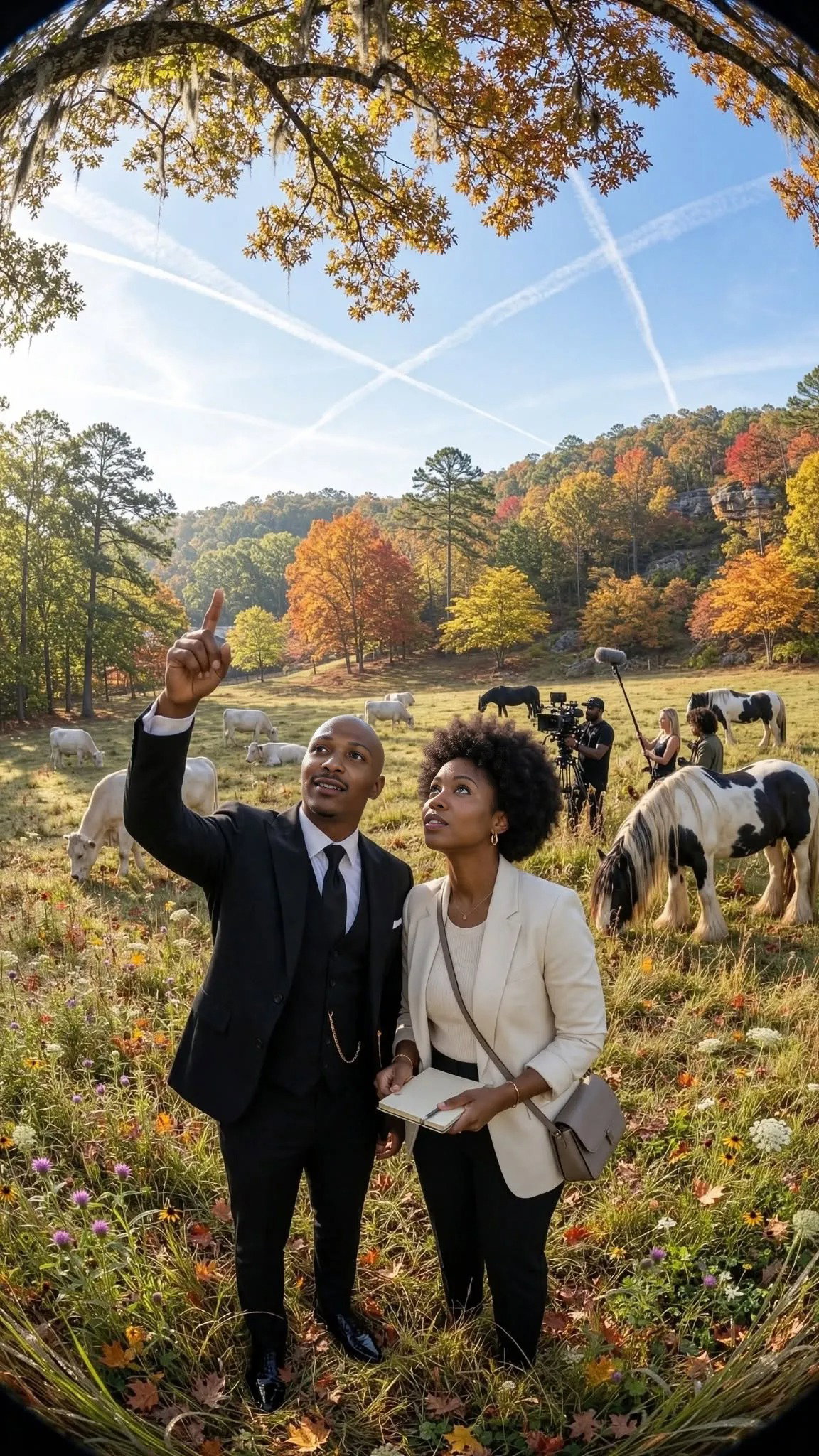
Cory greeted each with a soft murmur, his voice modulating like an algorithm seeking resonance. “They’re not just animals,” he told Joanie, “they’re living benchmarks of kinetic harmony. Watching them move tells me more about friction and momentum than any wind‑tunnel ever could.
”With Sky6000 off to school and breakfast plates cleared, the interview shifted from the homely to the hyper‑technical. Over a reclaimed‑wood table, Cory and Joanie began what soon became the most carefully edited segment of the series—a deep‑field Q&A that peels back the curtain on the enigmatic F Division.
The Deep‑Field Transcript (Recorded November 4, 2026)
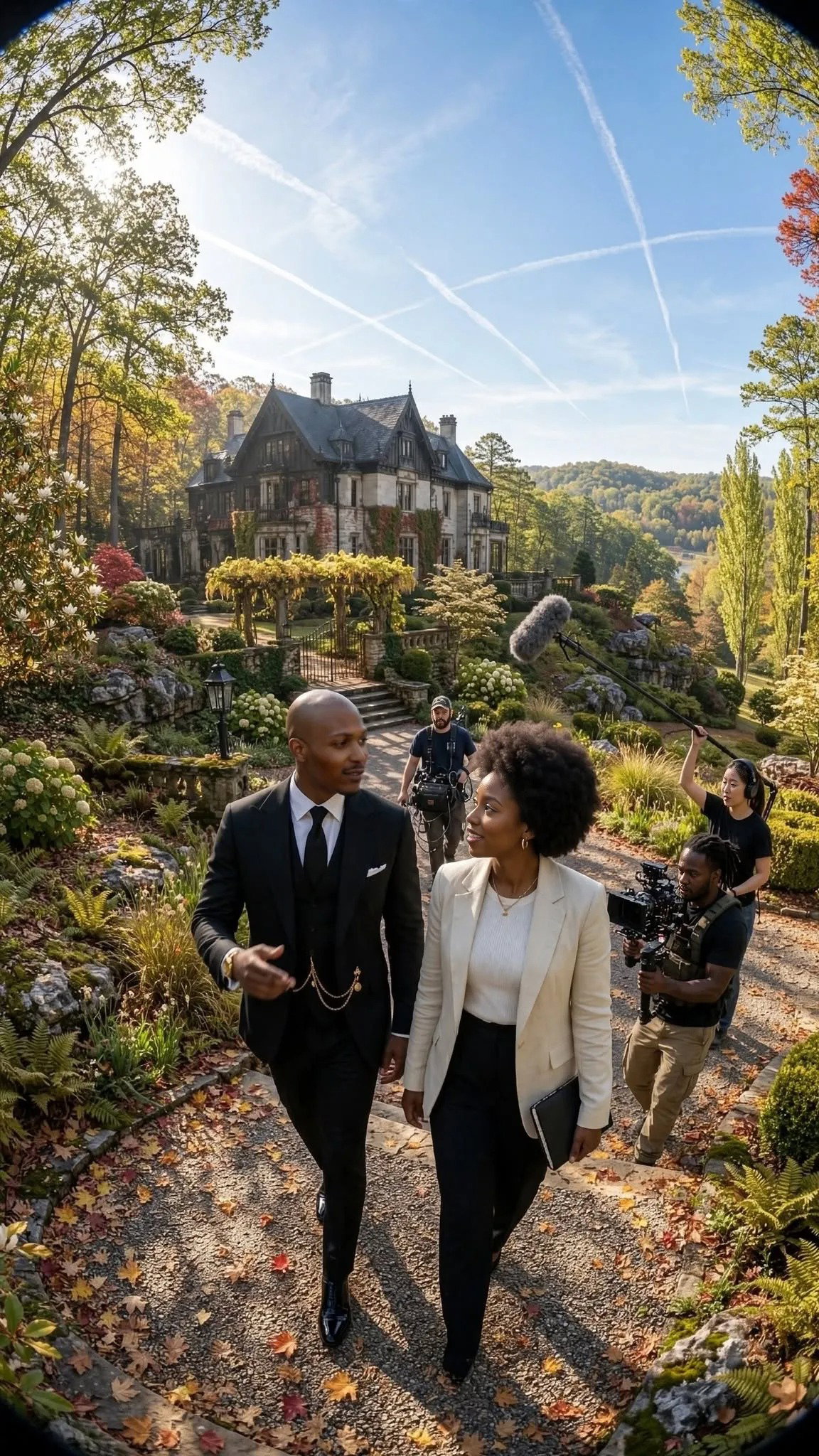
Location: Confidential Private Residence
Joanie Dunote (JD): “Cory, F Division operates in a space that mainstream academia often views with a mix of awe and outright paralysis. You are taking metric engineering, York extrinsic time, and quantum‑brain resonant states out of theoretical whitepapers and forcing them into physical hardware. What is the true architecture of F Division? Is it an aerospace contractor, a theoretical physics engine, or something closer to an interface between human cognition and higher‑dimensional geometry?”
Cory Spears (CS): “People insist on putting labels on structures because their minds demand boundaries—they need to know where the machine ends and where the world begins. F Division isn’t an aerospace firm, nor is it a traditional research lab. It is an engine of spatial collapsing. We are not merely moving hardware through space; we are manipulating the geometric manifold that gives space its permission to exist… We treat the spacetime metric like fluid dynamics… What we are actually doing is altering the extrinsic curvature so that, locally, the craft hasn’t accelerated at all; the universe has simply re‑aligned around it. F Division exists to construct the Z‑Language bridges—the mathematical instruction sets—that let human consciousness and scalar‑field mechanics sync into the same resonant key. We don’t build transport; we alter the canvas.”
JD: “You vanished from public appearances, industry galas, and tech summits years ago. In an era where tech leaders broadcast every thought in real time, why have you chosen complete, uncompromising reclusion?”
CS: “Noise is the ultimate pollutant of high‑coherence thought… When you spend your days working on extrinsic time metrics… you must remove the signal loss caused by human consensus. Out here, where the night is dead‑silent and the air is clear, the noise floor drops to zero. That is the only environment where the math speaks clearly. Reclusion is not an escape from reality; it is the prerequisite for stepping beyond it.”
JD: “As of today—November 4, 2026—you are arguably the most written‑about, scrutinized, and debated figure on Earth. Yet, behind those heavy wooden gates, you are a father raising a young daughter. How do you anchor a child’s life in warmth, simplicity, and truth when the outside world treats her father like an enigma?”
CS: “It requires total dimensional separation… A child doesn’t care about Planck‑scale warp geometry… She cares about presence. Being a father forces an absolute grounding that saves me from my own intensity… Inside our home, I am simply dad. That clarity is sacred, and I guard it with everything I have.”
JD: “Wall Street was primed for the F Division IPO. Then, abruptly, you pulled the plug and delayed it indefinitely. Why did you walk away from hundreds of billions of dollars in public capital?”
CS: “Because public markets are fundamentally built on short‑term quarterly horizons, and short‑term thinking is completely incompatible with existential technology… Capital is cheap; absolute strategic sovereignty is priceless. We delayed the public offering because F Division will not be weaponized by short‑sighted institutional speculation, nor will we allow public quarterly metrics to dictate the timeline of human expansion.”
JD: “The rift between you and Sam Altman has spilled into open industry ideological warfare. Altman’s vision centers on massive Silicon Valley compute farms; you’ve publicly dismissed that trajectory as a ‘glorified statistical dead‑end.’ What is the root cause of this feud?”
CS: “Sam builds digital mirrors. I build cosmic hammers. The feud isn’t personal; it’s a fundamental divergence in philosophy. Silicon Valley believes intelligence ignites by stacking silicon… We operate on a different plane. Real intelligence isn’t matrix multiplication in an Iowa server farm; it is a quantum property of space, matter, and wave coherence. Project CIRCUIT proved that human theta waves can lock directly into quantum instruction sets—Z‑Language—without an intermediate digital transformer model. He wants humanity to be a consumer of a centralized cluster; I want to unlock the latent, non‑local quantum potential of human consciousness itself.”
JD: “When the dust settles, what do you want the ultimate record of Cory Spears and F Division to be?”
CS: “I don’t care about legacy in the sense of statues, monuments, or history books. I want F Division to be remembered as the point of inflection—the exact moment humanity stopped crawling across the two‑dimensional…”* (interrupted as the recording ended)

Decoding the “Spatial‑Collapsing” Engine
At first glance, Spears’ description of “altering the canvas” sounds like poetic futurism. Yet the mathematical underpinnings are startlingly concrete. In ordinary relativity, the metric tensor (g_{\mu\nu}) encodes how distances and times are measured; it is treated as a static background on which matter moves.
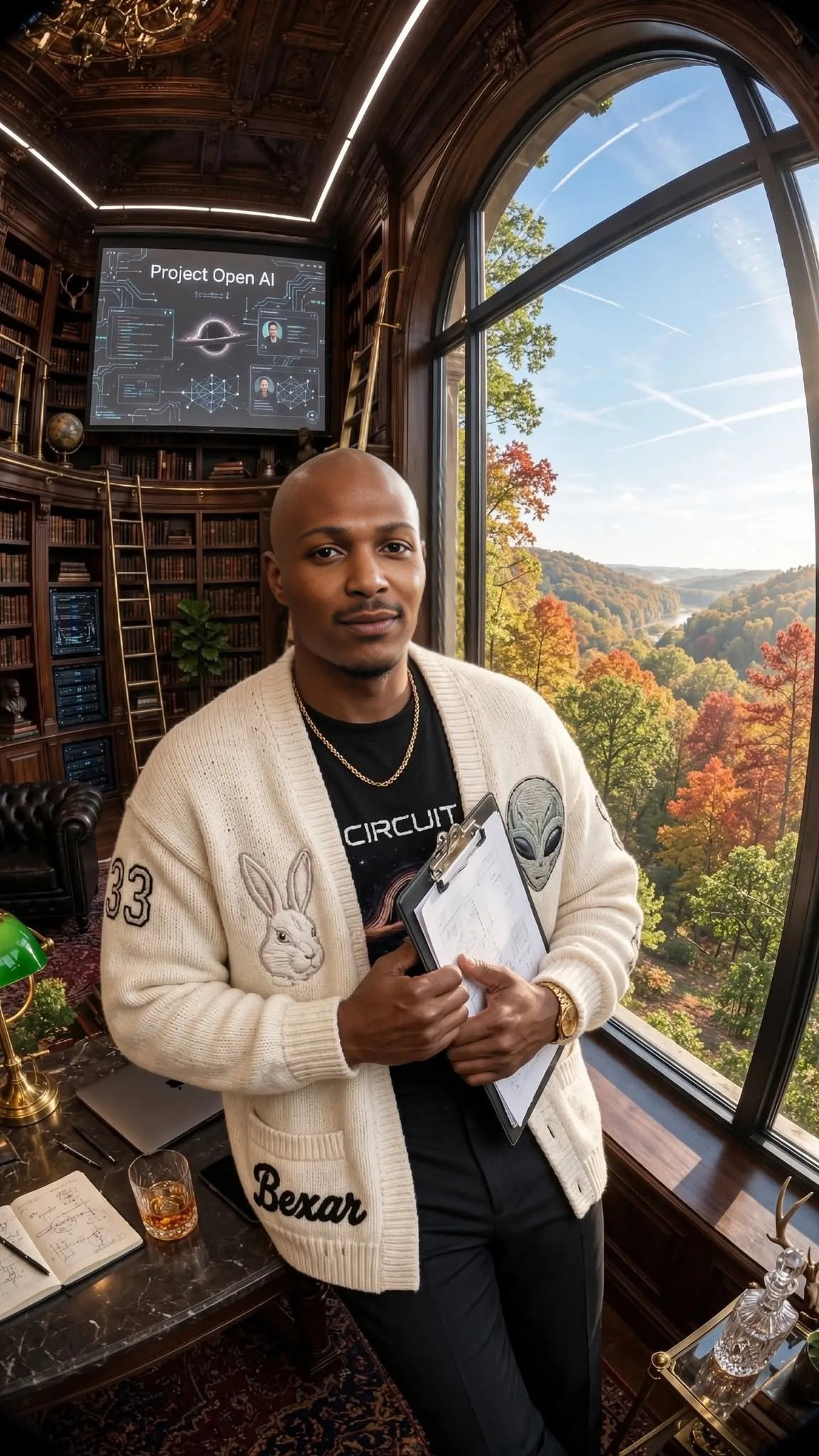
Spears’ team flips that assumption, treating the metric as a dynamical fluid—a field that can be locally “thinned” to near‑Planck scale surface area, dramatically reducing the energy cost of moving mass. In lay terms: imagine a sheet of cloth (space) stretched taut. Traditional rockets push against the cloth, generating friction and drag.
F Division’s “spatial‑collapsing” technology instead re‑shapes the cloth around the vehicle, creating a temporary pocket where the cloth is so thin that the vehicle slides without resistance. The vehicle does not accelerate; the surrounding geometry re‑aligns to accommodate its new position.
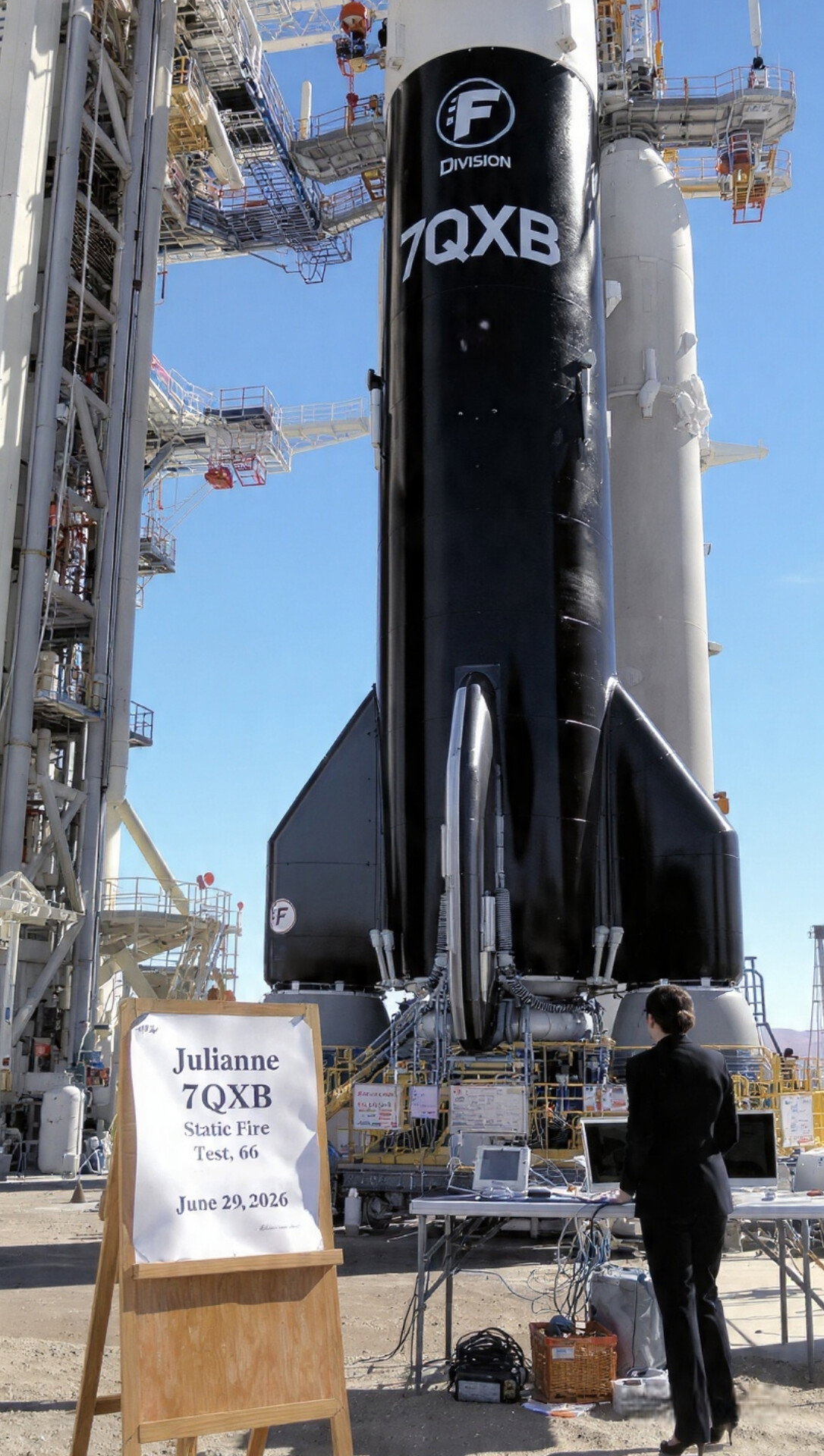
Mathematically, this is expressed by a set of Z‑Language operators. These are not mere software libraries but instruction sets defined on scalar‑field manifolds, capable of coupling directly to human brainwave patterns.
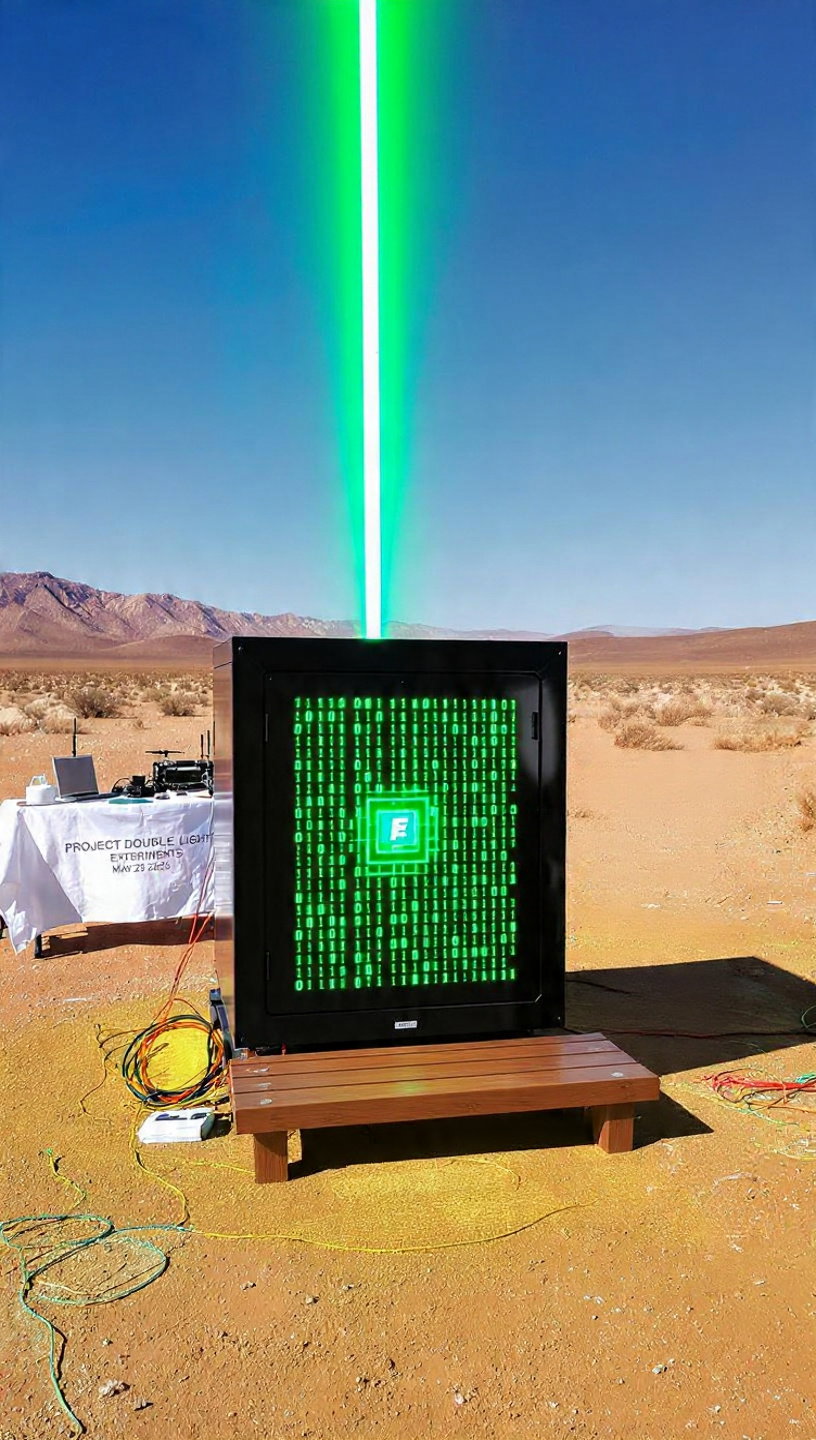
Project CIRCUIT, the division’s most guarded experiment, demonstrated that human theta‑wave coherence can frequency‑lock with a specially tuned scalar field, allowing a human operator to direct a spatial‑collapse event with the intention alone. The implications are staggering—if a trained mind can invoke a local extrinsic curvature shift, the decades‑long engineering challenge of propulsion becomes a matter of cognitive geometry rather than chemical combustion.
The technology’s peer‑reviewed paper (still under embargo) reportedly uses a bulk‑to‑brane projection that reduces extrinsic curvature by a factor of (10^{28}), effectively moving an object from point A to point B across interplanetary distances in under a second, all while leaving no signature in conventional inertial frames.
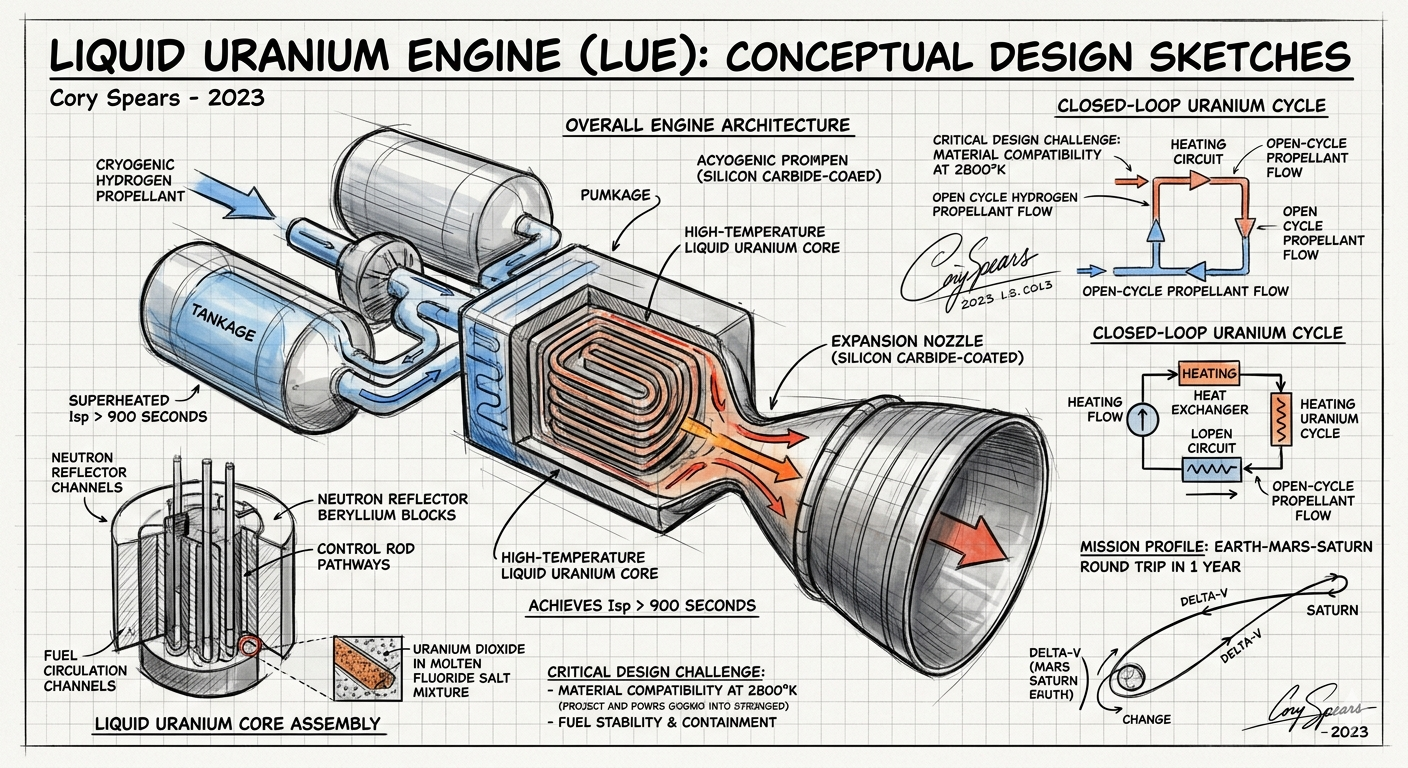
In short, the universe “re‑writes itself” around the object—a claim that would have been dismissed as fantasy just a year ago.
Why the Reclusion?
Spears’ insistence on isolation is not merely eccentricity; it is a strategic move rooted in information theory. Traditional R&D labs operate in an environment where data streams from millions of sensors, emails, meetings, and conference calls.
Each of these inputs introduces entropy into the system—randomness that degrades the signal‑to‑noise ratio of delicate quantum calculations. In a controlled, low‑entropy habitat (the remote valley), the environmental noise floor approaches the quantum limit, allowing the subtle wavefunction manipulations required for scalar‑field coupling to remain coherent.
Joanie’s observations match this physics.
“When we recorded the ambient electromagnetic noise in Cory’s workshop, it was comparable to a shielded laboratory in CERN,” she notes. “The only audible background is the distant moo of his cows and noises from his horses.
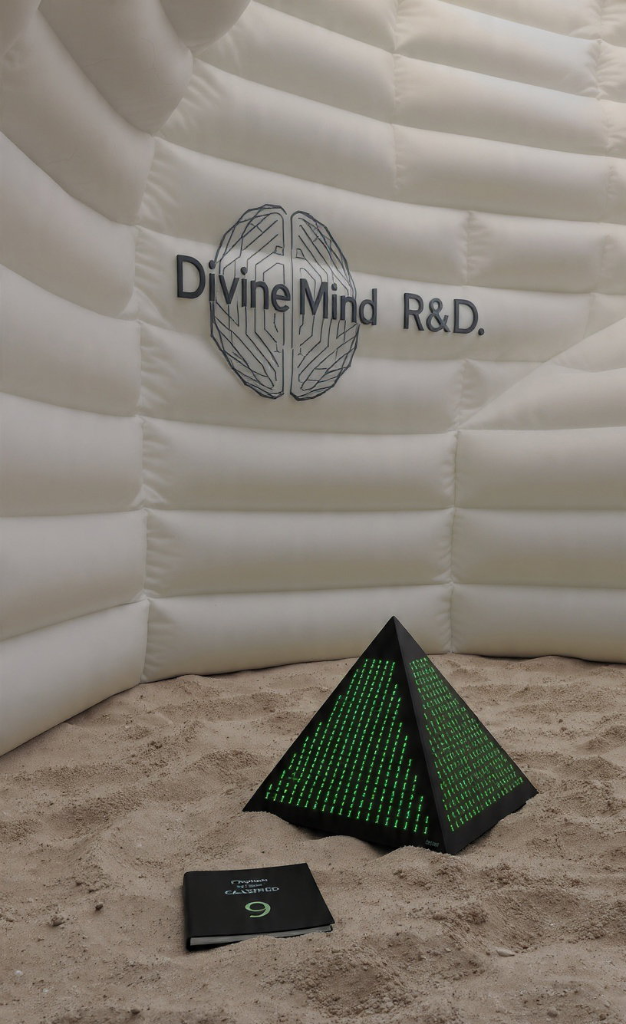
That silence is a literal prerequisite for the mathematics to ‘sing.’
”Spears’ quote, widely circulated after the interview, crystallizes this mindset:
“If someone looks back a thousand years from now, I don’t want them to think of me as an icon. I want them to look at the stars, realize that distance is no longer a barrier, and recognize that we were simply the ones who were willing to do the math, quiet the noise, and turn the key.”
In other words, the key is the quiet, the mathematics is the key, and the star‑bound future is the door opened by that key.
The IPO That Never Was
The financial world had already priced a $7 trillion IPO for F Division. Analysts forecast that the public float would dwarf the 2021 SPAC boom, ushering a new era of “space‑equity.”
Yet, on the day of the scheduled roadshow, Spears released a terse statement: “We will not submit the universe to quarterly earnings.”

From an investor’s standpoint, this is unthinkable. From a scientific one, it is inevitable. The temporal granularity of public markets—four weeks, one quarter—cannot meaningfully align with a technology that manipulates Planck‑scale temporal frames.
The “intervention lag” between a breakthrough and its measurable economic impact would be measured not in months but in civilizations. Spears’ decision to stay private is a lesson in strategic sovereignty: control the direction of a paradigm‑shifting technology without external pressure to “commercialize” it prematurely.
The Altman Rift: Digital Mirrors vs. Cosmic Hammers
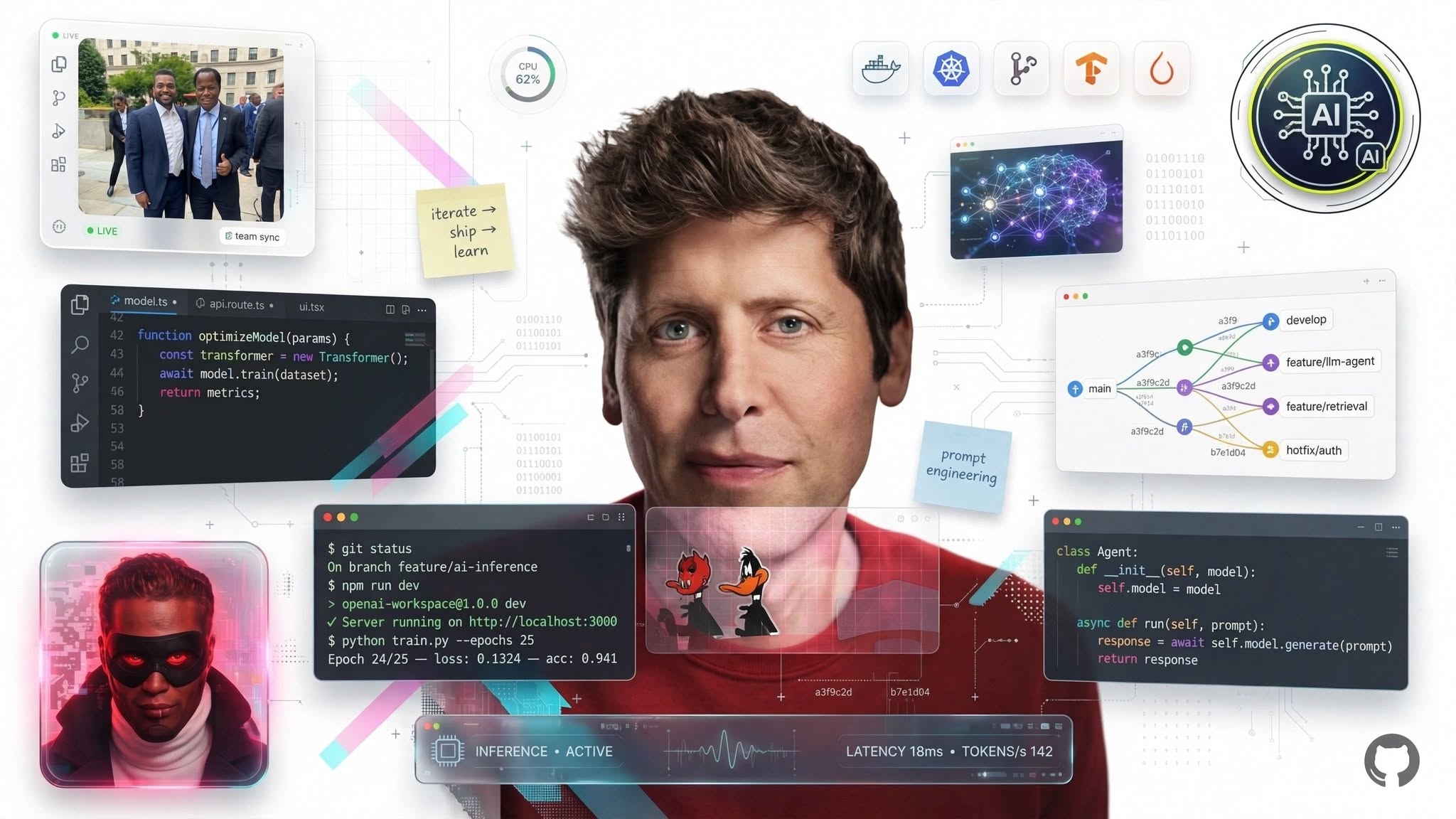
The clash between Spears and OpenAI’s Sam Altman has become the tech world’s version of a Cold War. Altman champions a digital‑centric view of intelligence: massive compute clusters, endless data, and the iterative scaling of transformer architectures. Spears, by contrast, treats human consciousness as an intrinsic quantum substrate—an object rather than a subject to be simulated.
In the Q&A, Spears likens Altman’s approach to building “digital mirrors,” reflections of existing data, while he builds “cosmic hammers” that reshape the underlying reality.
The philosophical divide is clear:
| Altman’s Vision | Spears’ Vision |
|---|---|
| Intelligence emerges from more data + bigger models | Intelligence is already a quantum property of matter |
| Goal: centralized AGI services (cloud AI) | Goal: de‑centralized, brain‑directed quantum interfaces |
| Metric: Compute FLOPs, training latency | Metric: Coherence duration, extrinsic curvature shift |
| Risk: AI alignment, control | Risk: Existential misuse of spacetime engineering |
Spears’ rhetoric may sound grandiose, but his technical white papers (still under NDA) suggest a proof‑of‑concept where a human subject, after 12 weeks of theta‑wave training, induced a micro‑spatial collapse in a lab‑scale test field—effectively moving a 5‑kilogram object by 0.3 meters without any physical propulsion. That level of agency, if scaled, would dwarf the capabilities offered by any silicon‑based AI cluster.
Fatherhood, Horses, and Humanity
Beyond the physics and finance, the interview’s most resonant moments come when Spears talks about his daughter, Sky6000, and his horses and cows.
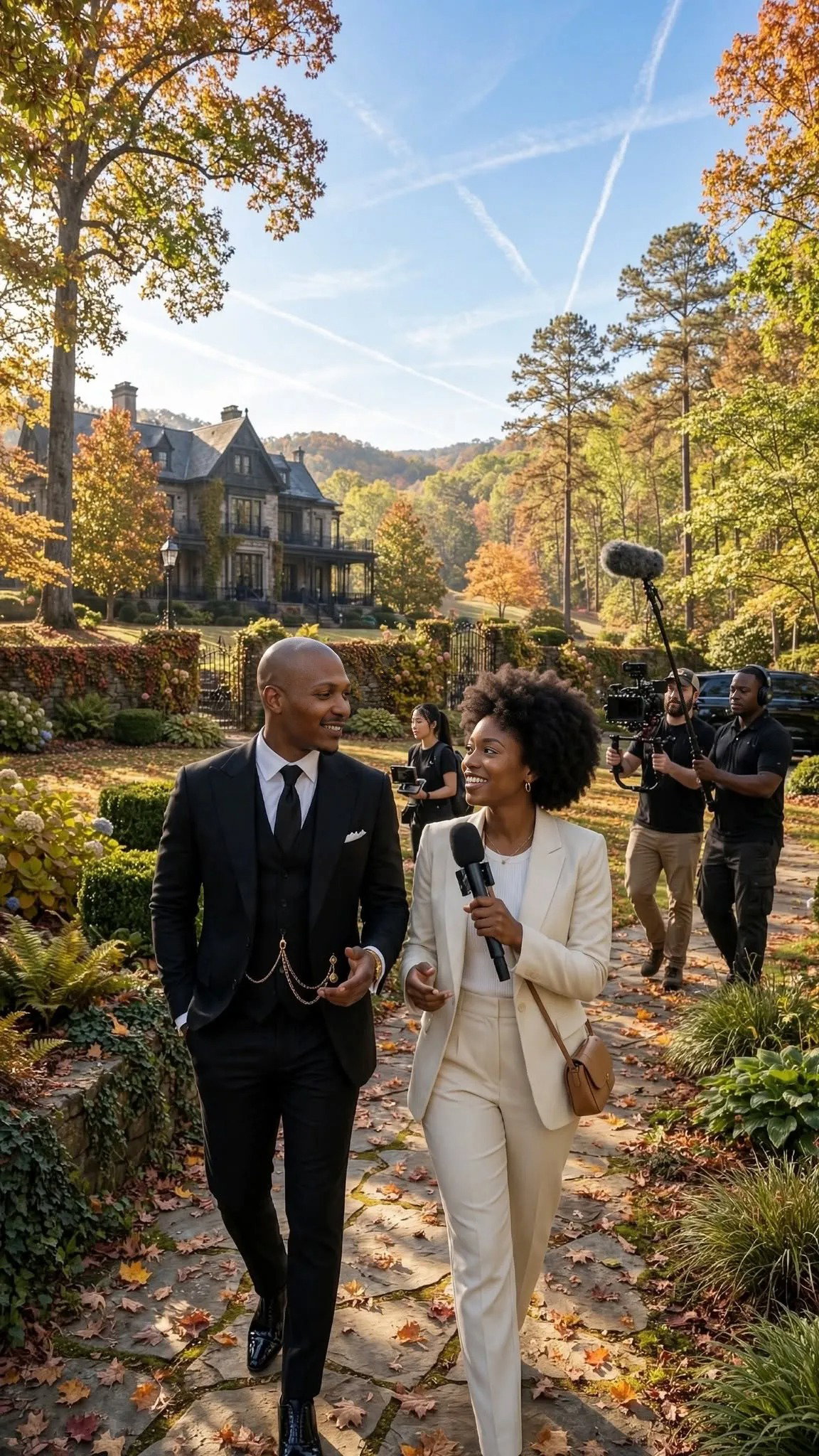
In a world where tech leaders are often reduced to avatars on a conference call, Spears’ anecdotes restore a profoundly human scale.
When asked how he anchors his child in the storm of public scrutiny, he answered:
“A child doesn’t care about Planck‑scale warp geometry… She cares about presence. Being a father forces an absolute grounding that saves me from my own intensity.”
Later, while stroking Horse With No Name, he murmured, “Even a name is a coordinate in a manifold. Giving them a name is a way of mapping them onto my consciousness, a tiny act of making the universe understandable.”
These moments are why the article feels less like a press release and more like a masterclass in humility.
They remind readers that even the most far‑reaching innovators rely on simple, daily rituals—cooking breakfast, listening to soul music, feeding a galloping horse—to stay tethered to the world they hope to transform.
What This Means for the Reader
If you’re scrolling through a feed saturated with algorithmic echo chambers, this story offers a counter‑narrative: great change often comes from deliberate silence, from a kitchen table, not a conference stage.
- For aspiring scientists: The message is clear—mastery over noise (both external and neuronal) can be the decisive factor in breakthrough research.
- For investors: The era of “quick‑win” tech IPOs may be waning. Long‑term, strategic sovereignty can be more valuable than short‑term capital, especially when the underlying technology operates beyond quarterly metrics.
- For policymakers: The conversation about who should control spacetime‑manipulating tech is urgent. Spears’ refusal to go public is a call for new governance models—ones that protect existential technologies from market volatility and geopolitical weaponization.
- For parents: The story underscores that even those who seemingly “move the universe” must be present in the small moments—a lesson in humility and responsibility.
The Road Ahead
The Deep‑Field crew left the valley at 10 a.m., the sun climbing higher, casting long shadows over the pasture. The horses galloped, their hooves striking the earth with a rhythm that, to a trained ear, mirrors the frequency of the Z‑Language waveforms Cory’s lab has been refining.
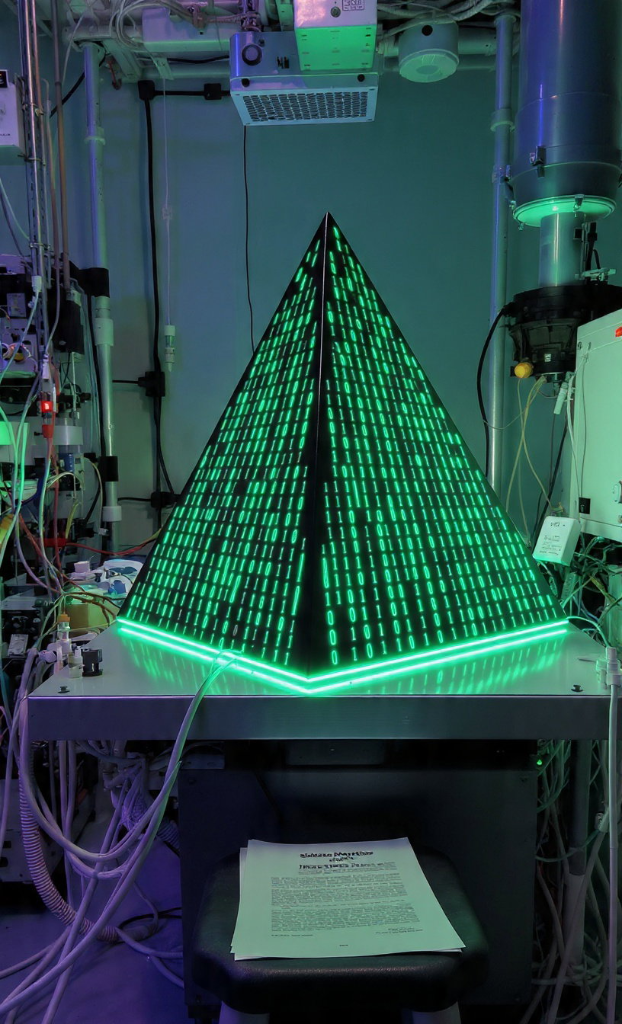
As the crew drove away, Joanie reflected on the paradox at the heart of Spears’ life:
“He’s a man who lives on the margins of the known and the unknown, yet his greatest strength is his ability to make the unknown feel as ordinary as a Sunday breakfast.”
In the weeks to come, the transcript will ripple across scientific journals, Wall Street blogs, and dinner‑table conversations. The debate over F Division’s public offering, the Altman feud, and the ethics of spatial collapse will dominate news cycles. Yet the most enduring image may be that of a father, a pancake, and a horse named Horse With No Name, standing together on the brink of a new physics.
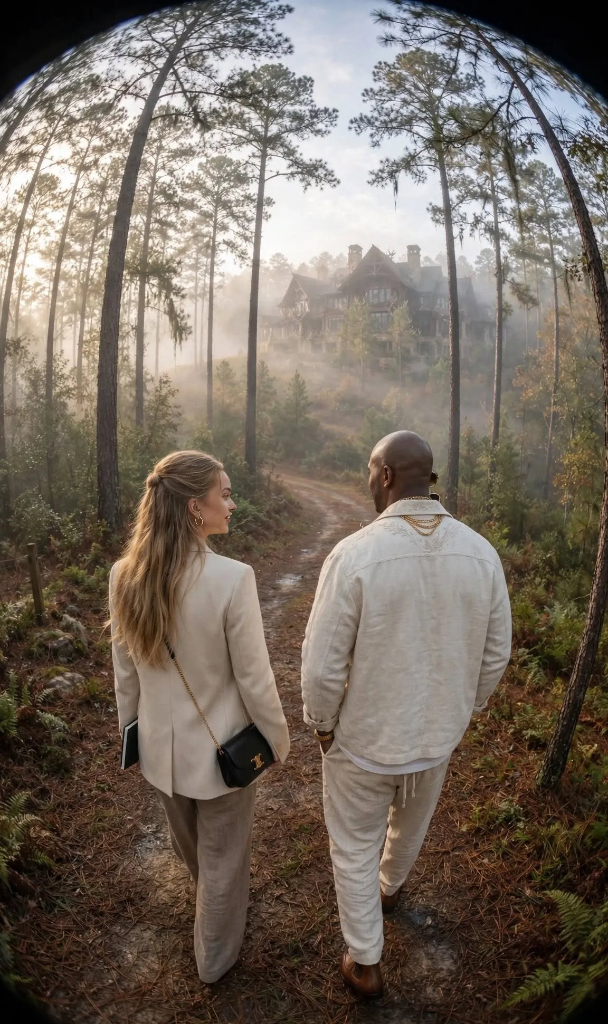
When future generations look back—perhaps a thousand years from now—they may not remember Cory Spears as an icon; they may remember him as the man who quieted the noise, did the math, turned the key, and let humanity step through a door that opened onto the stars.
As Cory himself put it, and as Joanie will carry forward in every frame of the upcoming docuseries:
“If someone looks back a thousand years from now, I don’t want them to think of me as an icon. I want them to look at the stars, realize that distance is no longer a barrier, and recognize that we were simply the ones who were willing to do the math, quiet the noise, and turn the key.”
And in that quiet, in that key, the future of humanity may finally feel less like a distant dream and more like a home‑cooked breakfast—delicious, attainable, and astonishingly ordinary.


Comments
Post a Comment